
A Detailed Guide to Banff National Park
Banff National Park is located in the heart of The Canadian Rockies, a breathtaking mountain range that stretches through the western provinces of British Columbia and Alberta. Home to several UNESCO World Heritage Sites, it’s no wonder that this iconic mountain range attracts adventurers and nature lovers from all around the world.
The range is part of the larger Rocky Mountain system, which spans from the northernmost part of British Columbia in Canada to New Mexico in the southwest of the United States.
If you’ve ever dreamed of exploring a place where snow-capped mountains meet crystal-clear lakes, where wildlife roams freely, and every trail leads to a new adventure—Banff National Park should be on your bucket list. Nestled in the heart of the Canadian Rockies, this place is basically nature’s theme park, offering a mix of stunning landscapes, thrilling activities, and a deep dive into Canadian history that you might not expect.
Whether you’re a nature lover, a history fanatic or just looking for a killer Instagram shot, Banff has something for everyone!
What’s the Best Time to Visit Banff National Park
The time of year is an important factor to consider when planning a trip to the Rockies. Even though there is a general pattern for the weather throughout the year, it can still change drastically due the area’s high elevation, which causes rapid shifts in temperature.
It’s key to remember to check the forecast before your trip. Make sure you are always prepared by packing extra layers and wearing the right footwear.
Summer in Banff
Summer in the Rockies is short but unforgettable. June, July, and August are considered the main summer months, with warm and sunny weather. However, it’s not uncommon for cooler temperatures to occur here and there. July is the hottest month, with average temperatures of 22°C (72°F). Even though it’s the warmest time to visit the Rockies, evenings can cool off, so make sure to always take a few extra layers.
Fall in Banff
Seeing the Rockies in fall is something everyone should experience. September, October, and November are when the season starts to slow down, and nature begins to show us its vibrant fall coat in a final burst of color before the winter’s chill sets in. Temperatures are usually around 10°C (50°F) in the fall. Mid-September to early October is the prime window for witnessing the larch trees in all their beauty. Don’t be surprised if you’re visiting the Rockies during fall and it starts to snow—usually, the peaks get covered, and it’s not unusual to see snow in the valley.
Winter in Banff
The Canadian Rockies in winter are a real-life winter wonderland, bringing deep snow, crisp air, and stunning views of snow-covered mountains. December, January, February, and March are the main winter months in the Rockies. January is the coldest month with an average low of -15°C (5°F), although temperatures can drop as low as -35°C (-31°F). Layers and high-quality clothing are essential for experiencing a Rocky Mountain winter.
Spring in Banff
After a cold winter, the Rockies come alive again in spring with vibrant wildflowers, rushing waterfalls, and wildlife emerging from hibernation. April, May, and June are when temperatures begin to warm up, marking the arrival of spring. The average high temperature during this time of year is around 10°C (50°F). There may be light rain showers on most days, lasting only a few minutes, so be sure to bring a rain jacket.
Now that you know what to expect and how to plan your trip, it’s time to pack your bags and get ready for an unforgettable journey through Banff National Park. The Canadian Rockies are waiting for you!
Calgary, Your Access Door to Banff
Dead Man´s Flats, A Hamlet at the Foothills of the Rockies
From Calgary to the hamlet of Dead Man’s Flats, it’s just an hour’s drive. If you’re looking for a place to stay when visiting Banff National Park, Dead Man’s Flats is ideal, as it’s only a 25-minute drive to the center of Banff town and 12 minutes to Canmore. The accommodation here is much cheaper and also better equipped. Here, you will be able to find apartments with fully equipped kitchens and bathrooms at a fraction of the price compared to Banff.
If staying in Dead Man’s Flats, you will need a car or RV to explore, as there aren’t many shops or restaurants nearby, but there is a gas station!
Canmore, the Heart of the Bow River Valley
Canmore is a town in Alberta, located just 81 km (50 miles) west of Calgary, taking about an hour to drive. It’s neighbors with the world-famous Banff National Park, just a short 20-minute drive from Banff town. It’s a lovely local town with stunning surroundings and without the hustle and bustle of Banff, making it a perfect base location. Besides, there’s plenty of outdoor activities to do like hiking or rock climbing.
The Canadian Pacific Railway tracks run just on the edge of Canmore town, making it a great place to see the train and the sheer size of it. Just a note: you may get stuck for a while, so hopefully, you’re not in a rush.
After multiple visits to Canmore, we´ve made a list of the top things to do within the area:
What to Do and See in Canmore
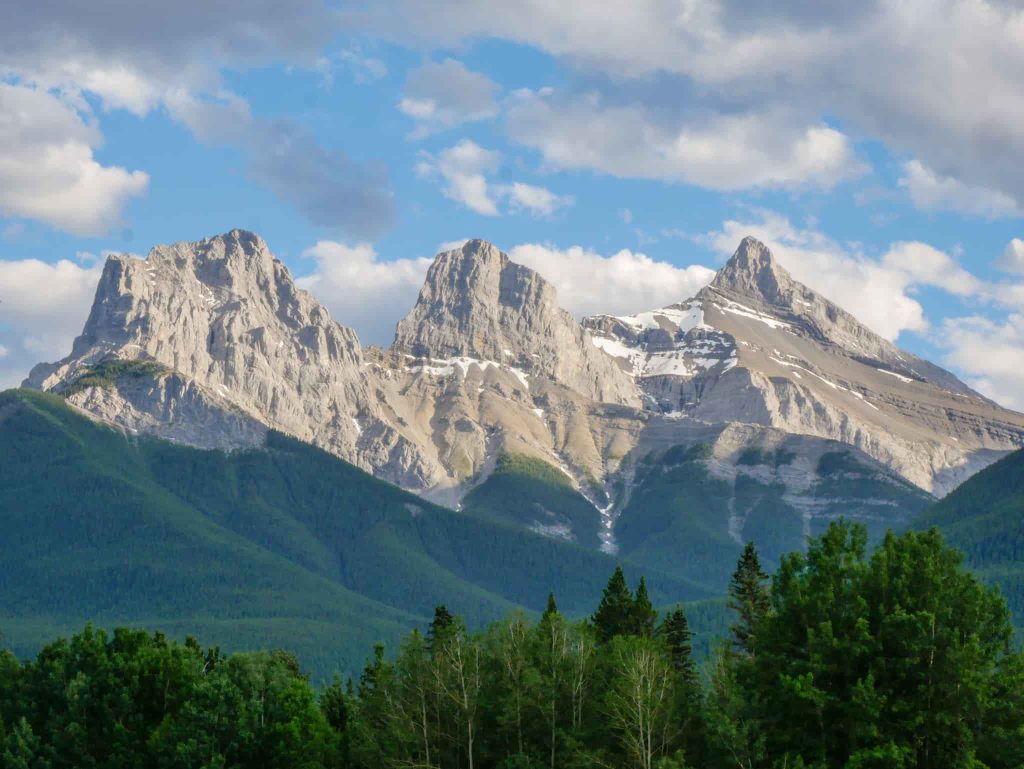
Three Sisters Mountains
A recognizable icon of Canmore is the Three Sisters Mountains. These three rocky peaks can be seen from the town of Canmore. Regardless of the season, you won’t want to miss the beauty of these sisters. The sisters are also known by their names and heights:
- Big Sister (Faith) – 2,936 m / 9,632 ft
- Middle Sister (Charity) – 2,769 m / 9,084 ft
- Little Sister (Hope) – 2,694 m / 8,840 ft
Old Bridge – Bow River
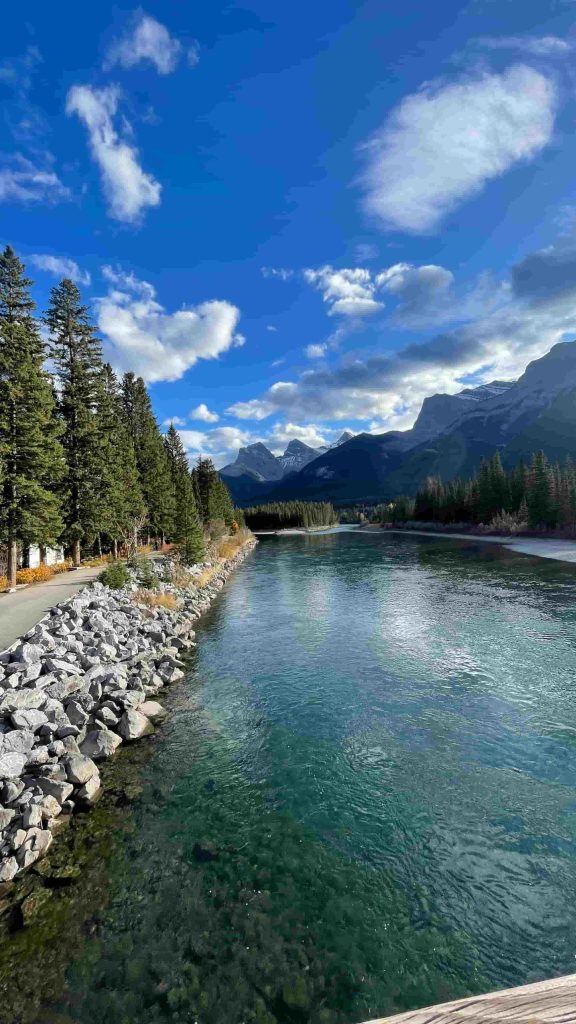
For stunning views of the Three Sisters Mountains and the Bow River, the Old Bridge is the perfect spot. Not only is it ideal for birdwatching and photography, but it also offers a peaceful setting to simply take in the natural beauty of the area. For the best lighting and breathtaking views, be sure to visit at sunrise or sunset.
Main Street – Canmore
Main Street (or 8th Street, whatever you call it) is the main street of Canmore. At the center of the town, this is the hotspot for all foodies and shoppers. Here, you can find cafes, restaurants, and local boutique shops.
If you’re a fan of bagels, be sure to visit the ‘Rocky Mountain Bagel Company’ at one of their two Canmore locations!
A little further down on 6th Ave and 8th Street, there is a store called ‘Stonewaters’. This unmissable red building should be on your visit list if you’re looking for Canadian-made souvenirs and mementos to take home.
Grassi Lakes
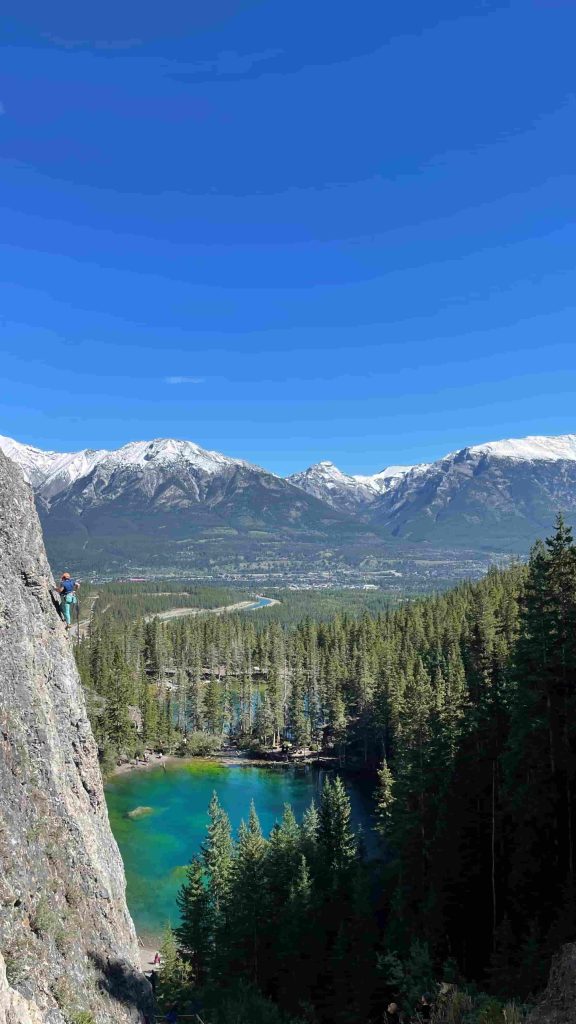
Located just a 15-minute drive from Canmore, Grassi Lakes is one of the most stunning yet accessible hikes and climbing spots in the Canadian Rockies. Known for its stunning turquoise waters and mountain backdrop, Grassi Lakes offers the perfect outdoor destination for both casual hikers and seasoned adventurers.
The ‘Grassi Lakes Trail’ is a short trail great for solo hikers and families. Choose from the easy route, which takes you up a gentle incline, or the more challenging route, which passes by a waterfall and offers stunning views of Canmore. Allow about 1-2 hours for this 4 km (2.5 mi) hike.
If you feel adventurous, here you’ll find an awesome spot for rock climbing. Grassi Lakes offers both sport and trad climbing on limestone cliffs, with routes suitable for all levels of experience. The climbing spot is set in a picturesque location, with vibrant-colored lakes and lush forest surroundings.
Canmore Nordic Centre
The Nordic Centre in Canmore is a premier outdoor recreation facility offering year-round activities. It features world-class cross-country skiing and biathlon trails, mountain biking, hiking, and other outdoor sports. Set against the stunning backdrop of the Canadian Rockies, it also hosts various events and is a legacy venue from the 1988 Winter Olympics.
Canmore Museum and Geoscience Centre
Offering a fascinating glimpse into the town’s rich history, the local museum highlights the area’s heritage, including its Indigenous roots, early settler history, and the impact of coal mining on the region’s development.
The Canmore Geoscience Centre focuses primarily on the region’s geological features, offering interactive displays and educational programs that explore the natural processes that have shaped the Canadian Rockies.
Quarry Lake Park
Quarry Lake Park in Canmore was once the site of a limestone quarry, which has since been transformed into a scenic, recreational area. It is a peaceful oasis nestled in the heart of the Rockies, where visitors can enjoy swimming, picnicking, and fishing in crystal-clear waters. The park offers scenic hiking trails, making it the ideal spot for outdoor adventure and relaxation.
Bow Valley Parkway, A Scenic Route between Banff and Lake Louise
What to Do and See at the Bow Valley Parkway
Bow Valley Parkway
The Bow Valley Parkway runs between Banff and Lake Louise in Banff National Park. It is approximately 48 kilometers (30 miles).
Driving the Bow Valley Parkway (Highway 1A) offers a breathtaking journey through the heart of the Canadian Rockies. Winding alongside the Bow River, the road provides stunning views of jagged mountain peaks, dense forests, and serene meadows.
Unlike the Trans-Canada Highway, it’s a quieter route, perfect for leisurely exploration, wildlife sightings, and stopping at scenic points. It’s an unforgettable alternative for those seeking a more intimate and scenic drive through Banff National Park.
Here’s our short list of must-see stops and things to do along the Bow Valley Parkway:
Castle Mountain Viewpoint
The Castle Mountain Viewpoint offers an incredible opportunity to capture stunning photos of the towering mountain, whose jagged peaks resemble the turrets and towers of a medieval castle. This striking shape inspired its name and makes it a popular photography spot, particularly at sunrise or sunset when the mountain is bathed in golden light, creating a dramatic and unforgettable scene.
Johnston Canyon
Carved over thousands of years by the erosive power of water, Johnston Canyon displays dramatic rock walls and stunning waterfalls. This popular 2-hour hike takes you through a lush, forested canyon, offering breathtaking views of the waterfalls along the way. Both trailheads begin at the Johnston Canyon Day-Use Area, making it easy to access this natural wonder.
Due to its popularity and easy access, expect the parking lot to get crowded and to find many more people visiting a the same time, specially in the summer, so plan your visit accordingly. Any time of year it’s a great time to visit this spot, either in the summer when the weather is warm and the waterfalls are full or in the winter when the canyon transforms into a winter wonderland with breathtaking icefalls. Ice climbing is probably the most iconic activity in the winter time.
- Lower Falls Trail (easy): 2.4 km (1.5 mi) return, estimated at 1 hour round trip.
- Upper Falls Trail (slightly more difficult): 5 km (3.1 mi) return, estimated at a 2-hour round trip, with a 120 m (394 ft) elevation gain.
Paint Pots
Paint Pots is a short, easy hike leading to colorful mineral springs that stain the rocks bright yellow and orange. It’s a unique natural feature along the route. The springs found here contain iron-rich ochre, which was historically used by Indigenous peoples for painting and creating pigments. The vibrant yellow and orange hues of the mineral deposits make the area a popular spot for photographers and nature enthusiasts.
Bow Valley Viewpoint
This viewpoint offers stunning panoramic views of the Bow Valley. It’s a popular stop along the way, as it’s a perfect spot for a quick photo op or a scenic break during your travels. The area is known for frequent sightings of elk, deer, and bighorn sheep, especially during the early morning or late evening. Additionally, the viewpoint provides a glimpse of the historic Bow Valley Parkway, which was once the main route before the Trans-Canada Highway was constructed, adding a touch of history to the breathtaking natural beauty.
Morant’s Curve
Morant’s Curve is a famous scenic spot in Banff National Park, where the Bow River curves dramatically around the mountains, offering great views of the river, forest, and surrounding peaks. It’s especially popular with photographers and train enthusiasts, as it’s a classic location to capture passing trains against a breathtaking natural backdrop.
Banff, A Picturesque Town in the Heart of the Rockies
What to Do and See in Banff
Banff Gondola
Take a scenic ride up to the summit of Sulphur Mountain, where you’ll be treated to panoramic views of the surrounding mountains, the Bow Valley, and the town of Banff. At the top, enjoy the boardwalks and the stunning observation deck.
Important Information:
- Location:
The gondola is located just outside Banff town, at Sulphur Mountain. - Duration:
The gondola ride takes approximately 8 minutes one way. - Operating Season:
The gondola runs year-round, but hours of operation may vary depending on the season (summer and winter tend to be the busiest times). - Hours:
Summer: 9:00 AM – 9:00 PM
Winter: 10:00 AM – 6:00 PM (subject to change). - Weather Considerations:
The gondola operates in most weather conditions, but it may close temporarily due to extreme weather like high winds or lightning. Always check the weather forecast and the gondola’s operational status before heading up. - Accessibility:
The gondola is wheelchair accessible. If you need assistance, it’s best to notify the staff in advance. - Facilities at the Summit:
At the top, you’ll find the Sulphur Mountain Summit Boardwalk and Sky Bistro for dining with spectacular views. There are also restrooms available. - Booking:
It’s highly recommended to book your tickets in advance, especially during peak seasons, as they can sell out.
For the latest information on prices and availability, it’s always best to check the official Banff Gondola website before planning your visit.
Bow Falls
Located just a short walk from downtown Banff, these powerful, cascading falls are a perfect spot for a quick photo stop or a peaceful picnic by the water.
- Location: Bow Falls is located just outside Banff town, a short walk from the Bow Falls Viewpoint.
- Parking: Free parking is available at the Bow Falls Viewpoint parking lot, but it can fill up quickly, especially during peak seasons.
- Accessibility: The viewpoint and area around the falls are wheelchair accessible.
- Facilities: There are no facilities directly at Bow Falls, but it is a scenic spot for photos and a nice walk along the Bow River.
Banff Avenue
This picturesque street in the heart of Banff is lined with charming shops, cafes, and restaurants. It’s the perfect place to wander, shop for souvenirs, and grab a bite to eat while soaking in the mountain views.
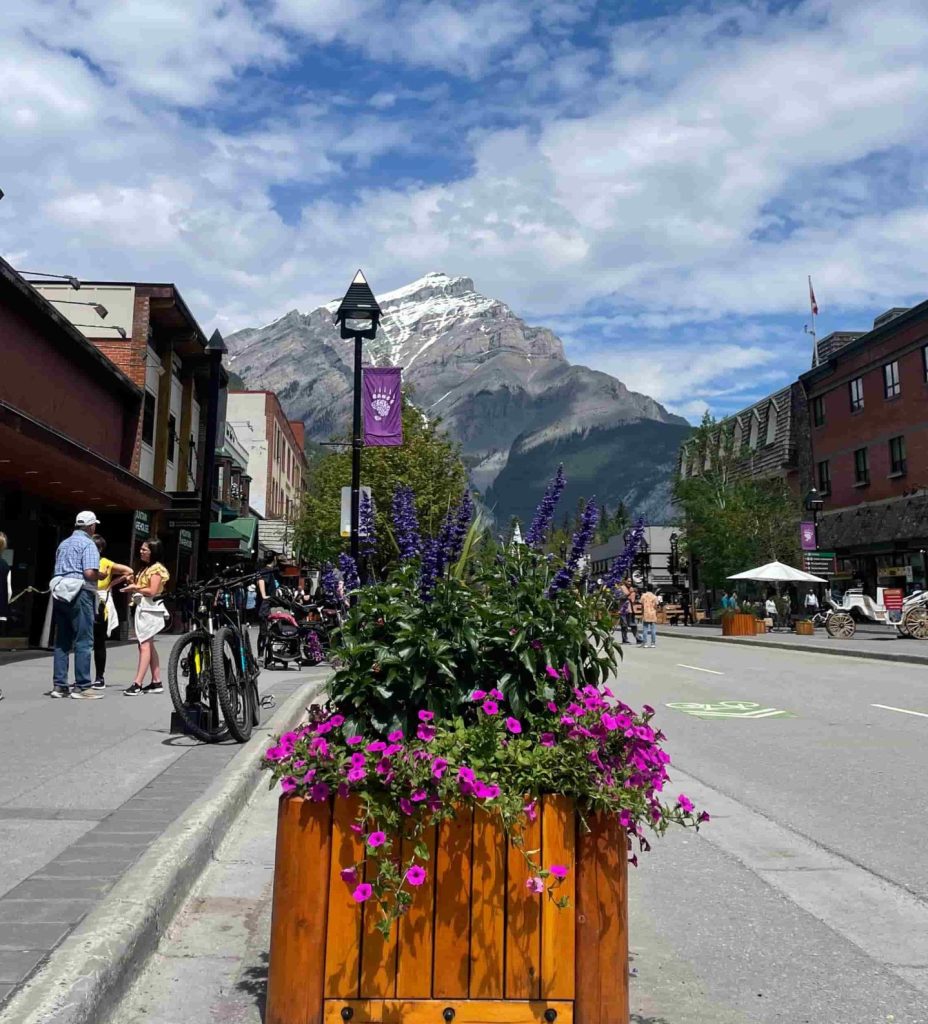
Restaurants:
- The Maple Leaf Grill & Lounge – Known for its delicious Canadian cuisine, including local game meats and fresh seafood in a cozy, rustic setting.
- Park Distillery Restaurant and Bar – A unique spot serving craft cocktails, house-made spirits, and a variety of hearty dishes.
- Eddie Burger + Bar – A casual, fun burger joint famous for its gourmet burgers, milkshakes, and creative cocktails.
- Bear Street Tavern – A popular choice for pizza, comfort food, and a great selection of local craft beers.
- The Bison Restaurant – A farm-to-table experience offering upscale Canadian dishes with local ingredients, perfect for a refined dining experience.
- Arashi Ramen – Serving authentic Japanese ramen with rich broths and flavorful toppings like tonkotsu, miso, and vegetarian options. The cozy atmosphere, delicious menu and budget friendly prices make it a favorite for both locals and visitors.
Shops:
- The Banff Shop – A must-visit for souvenirs, from branded Banff apparel to unique mountain-themed gifts.
- Wildheart Collective – A local boutique featuring a mix of Canadian-made clothing, accessories, and handmade gifts.
- Banff Adventure Shop – A great place to pick up outdoor gear, hiking equipment, and souvenirs for your mountain adventures.
- Whyte Museum Gift Shop – A charming spot to find art-inspired pieces, Canadian art, and books related to Banff and the Rockies.
- The Bear Necessities – A quaint shop offering locally inspired gifts, including artwork, clothing, and handmade goods.
Banff National Park Museum
The Banff Museum, located in a historic 1903 building, offers visitors a fascinating look at the region’s history, including Indigenous cultures, early settlers, and the development of Banff as a resort town. The museum’s collection features over 5,000 artifacts, including taxidermy, historical displays, and items related to the creation of Canada’s first national park.
Wildlife Viewing
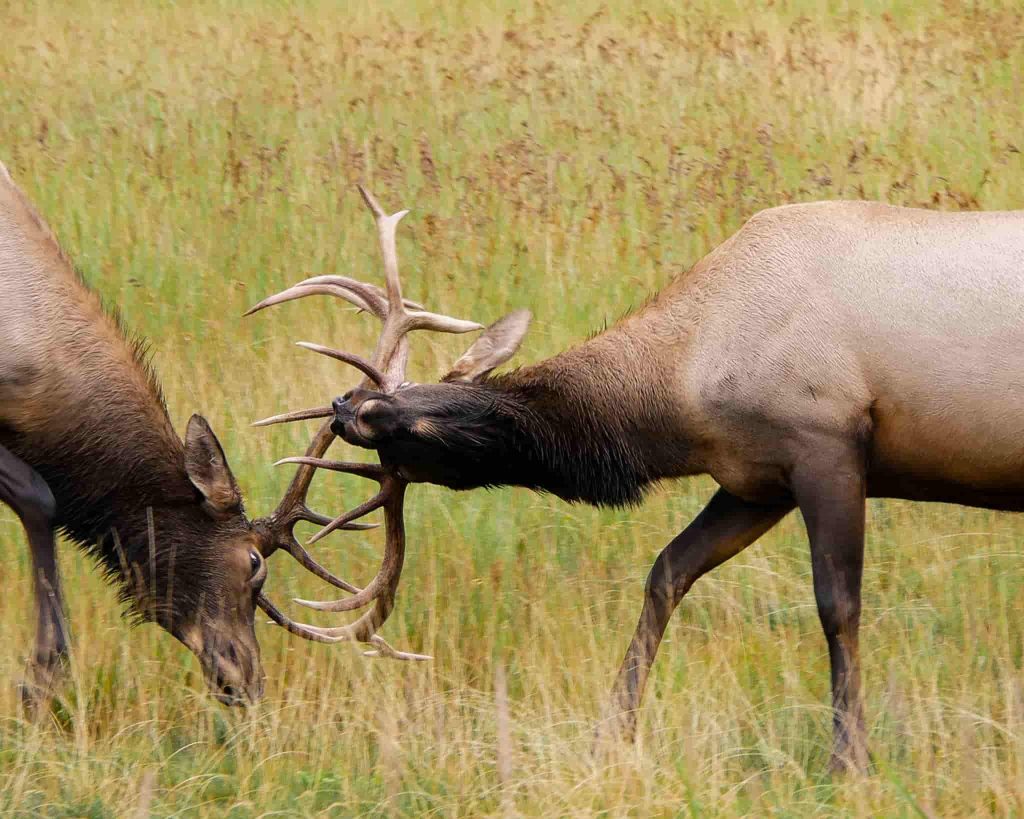
Banff is a wildlife lover’s paradise, home to a diverse range of animals in their natural habitats. As you explore the town and its surroundings, keep an eye out for elk, deer, bighorn sheep, and even bears. Banff National Park is a true wildlife haven, where you might spot a herd of bison grazing in meadows or catch a glimpse of a cougar stealthily roaming the forests. With over 50 species of mammals and a wide variety of birds, each visit offers a new opportunity to witness these incredible creatures in their untamed environment.
Cascade Ponds
Your Banff National Park adventure begins just 5 km from Banff town, at the stunning Cascade Ponds—your first stop on this unforgettable journey. There are a series of ponds laying on the grassy meadows under Cascade Mountain. Offering great views of the mountains around, this day-use area with fire pits, picnic tables and toilets is perfect to spend a sunny summer day or to enjoy sunset and a night under the stars.
Two Jack Lake
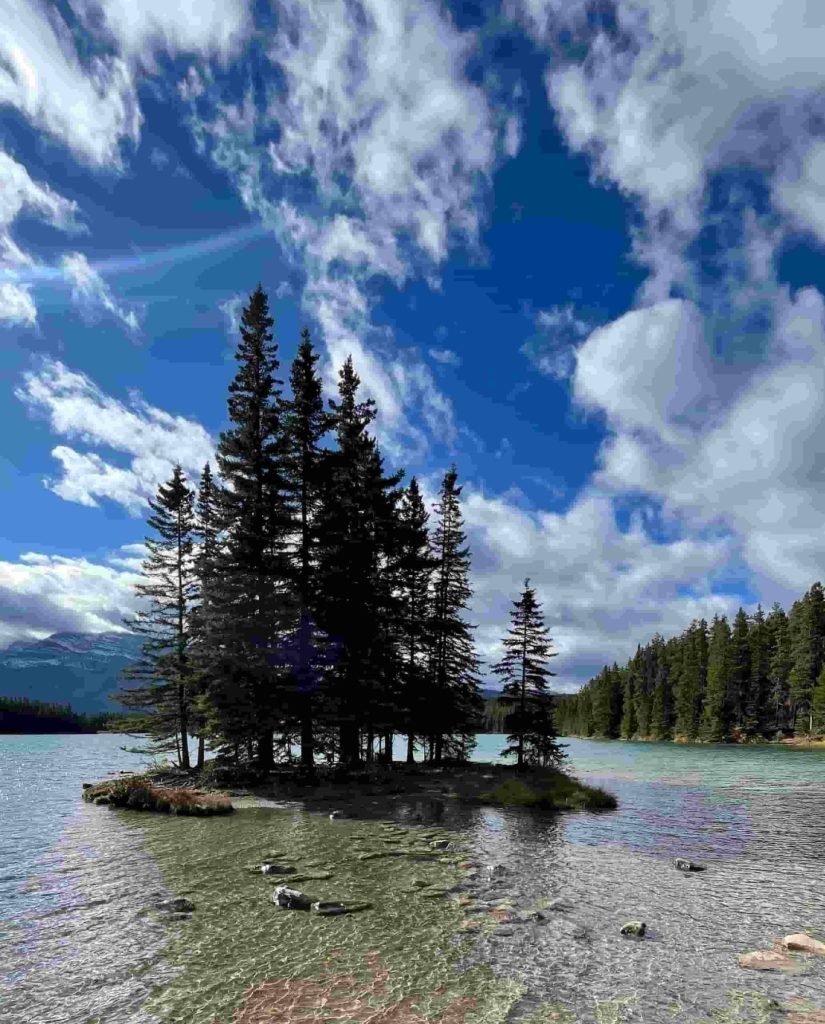
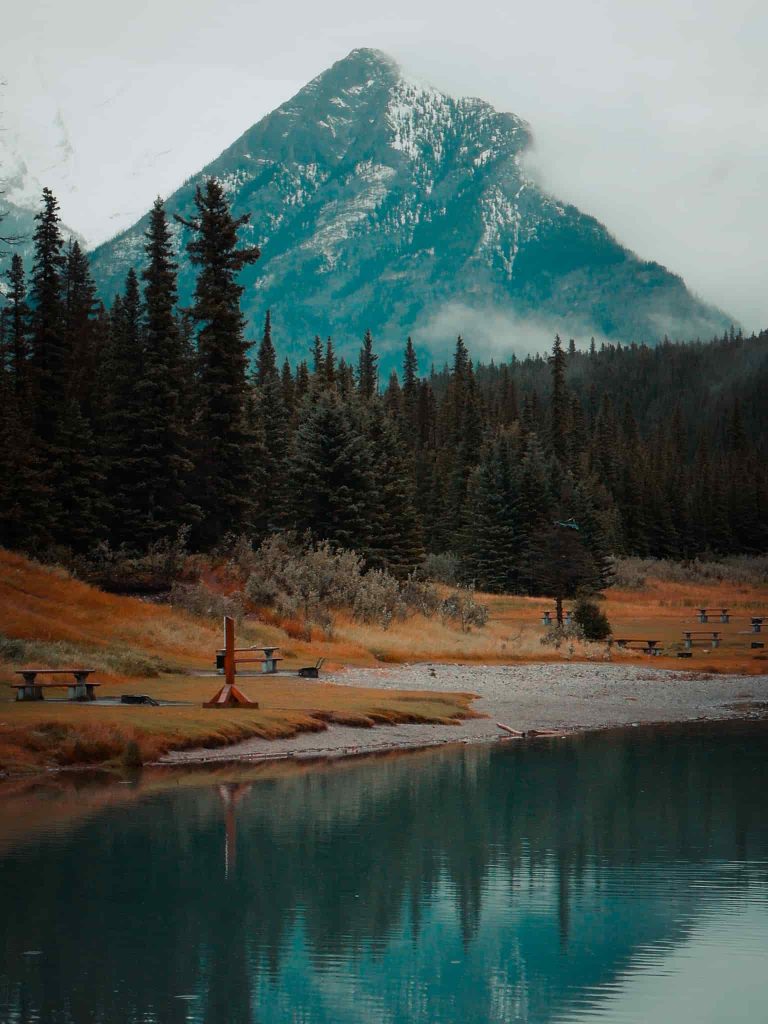
Just outside Banff town, Two Jack Lake is a peaceful escape with its clear waters and stunning mountain views. Whether you’re canoeing, fishing, or just relaxing by the shore, it’s the perfect spot to unwind and enjoy the beauty of the Rockies. The lake is a prime spot for stargazing! As part of Banff National Park, which is a designated Dark Sky Preserve, the lake offers breathtaking views of the night sky. On clear nights, visitors can enjoy a stunning display of stars, the Milky Way, and even the occasional meteor shower, making it a perfect spot for astrophotography and night-time outdoor adventures.
Lake Minnewanka
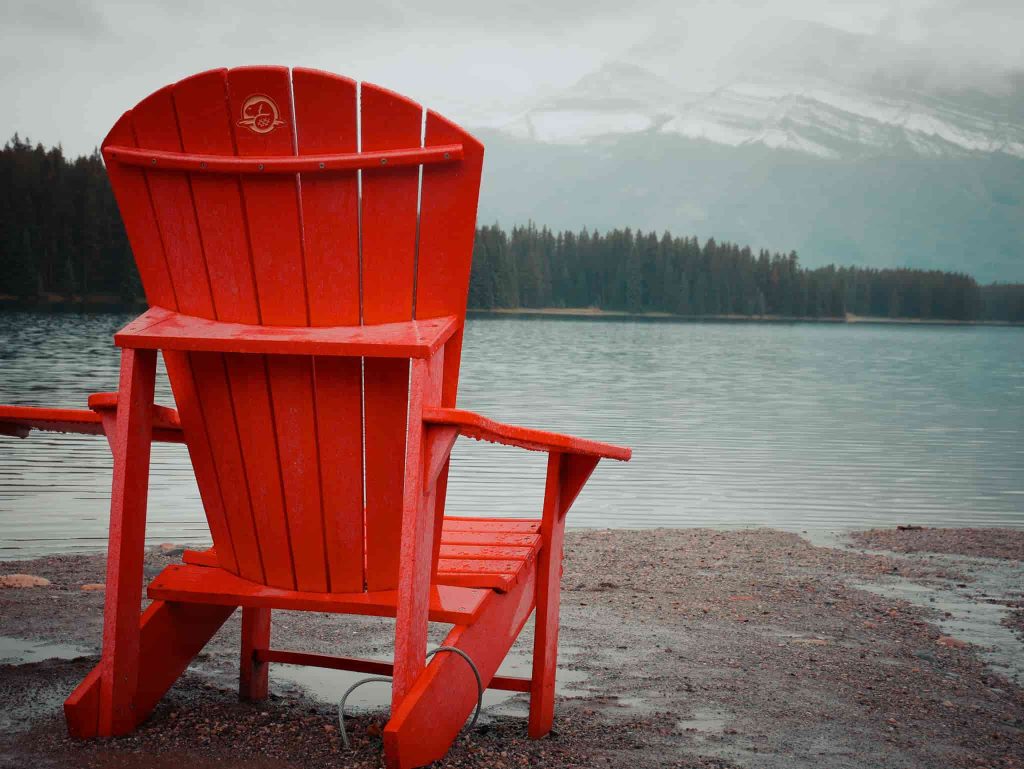
Lake Minnewanka, is the largest lake in Banff National Park and is actually a reservoir, created by a dam in the early 1900s. The lake’s waters are home to an underwater ghost town, as the original Minnewanka Landing, a small resort village, was submerged when the reservoir was expanded. Today, visitors can enjoy boat tours on the lake while hearing stories of its submerged past! This stunning lake is perfect for both relaxation and adventure. Enjoy a boat cruise on the lake, hike the scenic trails, or try fishing. In winter, the area transforms into a snow-covered wonderland, ideal for cross-country skiing or ice walking.
Banff Upper Hot Springs
Sunshine Village
Sunshine Village in Banff, has the longest ski season in the Canadian Rockies, often opening as early as November and staying open until late May, thanks to its high elevation and abundant snowfall. This makes it a popular destination for both winter sports enthusiasts and those looking to enjoy skiing and snowboarding well into the spring!
In winter, this ski resort offers some of the best skiing and snowboarding in the Rockies. In the summer, it becomes a hiker’s paradise, with alpine trails that offer spectacular views of the surrounding mountains and wildflowers. Since there is no direct road access to the village, visitors must take a scenic gondola ride to reach Sunshine Village, adding to the unique and memorable experience.
Cave and Basin
The Cave and Basin in Banff is a historic site known for its natural hot springs, which were central to the creation of Banff National Park in 1885. Visitors can explore the cave where the hot springs emerge, as well as learn about the area’s fascinating history through exhibits and interpretive displays. Be sure to catch some great views of Mount Rundle here too!
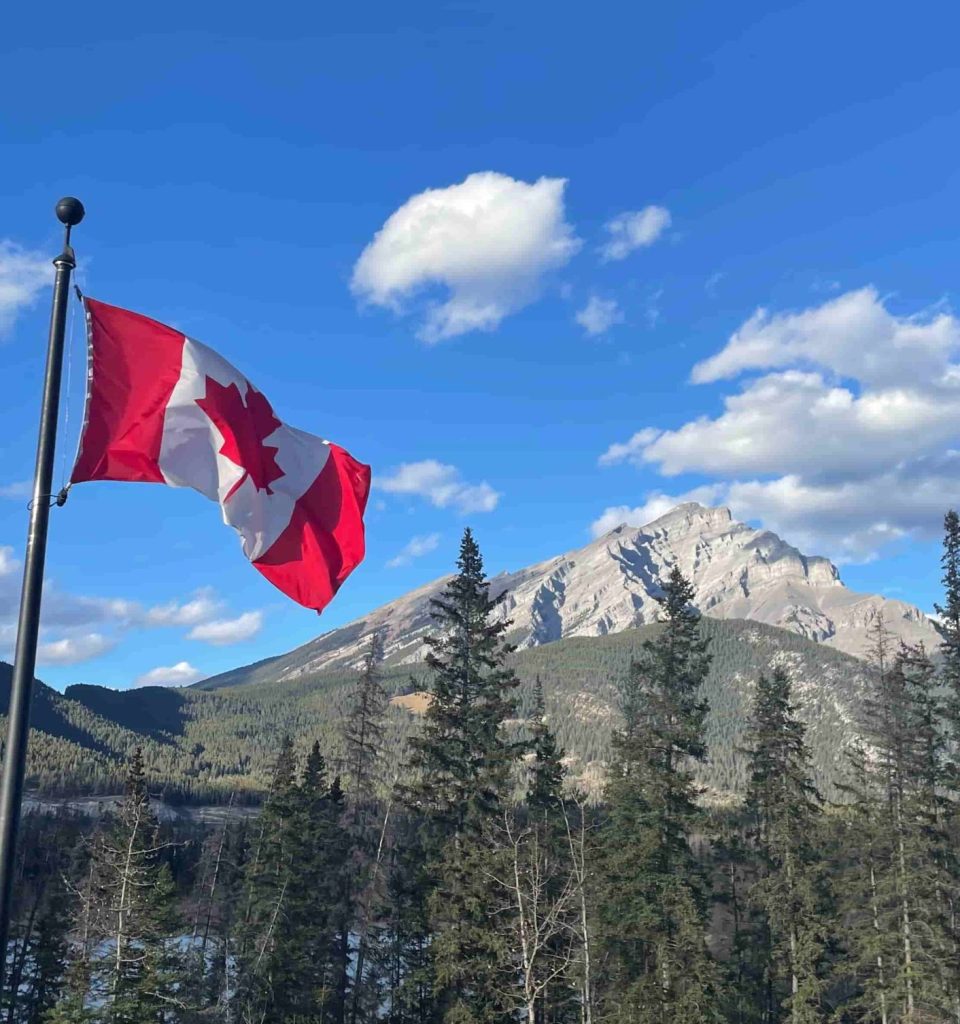
Top tips to help you make the most of your visit to Banff:
- Park Passes and Fees – Visitors to Banff National Park need a ´Parks Canada Pass´, which you can purchase online or at Visitor Centres. Passes are valid for entry into other national parks in Canada, so they’re a great option if you plan to explore more than one park. A daily pass is available for individuals or vehicles, and multi-day or annual passes can save you money if you’re staying longer.
- Emergency and Safety Information – The Banff Visitor Centre can provide maps, trail conditions, and emergency information. In case of emergency, dial 911 for help, and always carry a first-aid kit with you when hiking or engaging in outdoor activities.
- ALWAYS carry bear spray – Carrying bear spray in Banff is essential for your safety when exploring, as it helps deter bear encounters. It should be easily accessible and used only as a last resort if a bear is too close, charging, or displaying aggressive behavior. Bear spray in typically costs between $40-$60 and can be purchased at outdoor retailers. Many local pharmacies and grocery stores, as well as Canadian Tire also stock bear spray, especially during peak hiking season. It’s a good idea to buy it before heading into the wilderness, as it’s not always available at visitor centers or remote areas.
- Arrive Early or Late – Banff can get crowded, especially during peak seasons. Arriving early in the morning or later in the evening helps you avoid the crowds and experience the beauty in peace.
- Dress for the Weather – The weather in Banff can change rapidly, so always bring layers. Even in summer, mornings and evenings can be chilly, and it’s not uncommon to experience rain or snow at higher elevations.
- Book Activities in Advance – Popular tours, hikes, and activities like gondola rides or spa visits can fill up quickly. Booking in advance ensures you don’t miss out on must-do experiences.
- Use Public Transportation – Parking can be difficult to find in Banff town, especially during busy seasons. Consider using the Roam Public Transit service or the shuttle buses to get around and explore without the hassle of parking.
- Respect Wildlife – Banff is home to many wild animals. Keep a safe distance and never feed wildlife, as it’s dangerous for both animals and humans.
- Stay Hydrated and Prepare for Altitude – Banff is located at a high elevation, so it’s important to stay hydrated and take it easy when hiking or doing physical activities. Give yourself time to adjust to the altitude.
- Take Your Time on the Scenic Drives – The roads around Banff, such as the Bow Valley Parkway and Icefields Parkway, are some of the most scenic in the world. Stop frequently to take in the views and snap some photos.
- Pack Out What You Pack In – Banff National Park is a protected area, so always pack out your trash and leave nature as you found it to help preserve its beauty for future visitors.
- Consider Shoulder Seasons – If you want to avoid the busiest times, consider visiting in the spring or fall. You’ll experience fewer crowds and still enjoy the stunning landscapes and outdoor activities.
- Check Trail Conditions – Before heading out on a hike, check trail conditions at the Banff Visitor Centre or online. Some trails may be closed due to weather, wildlife activity, or maintenance.
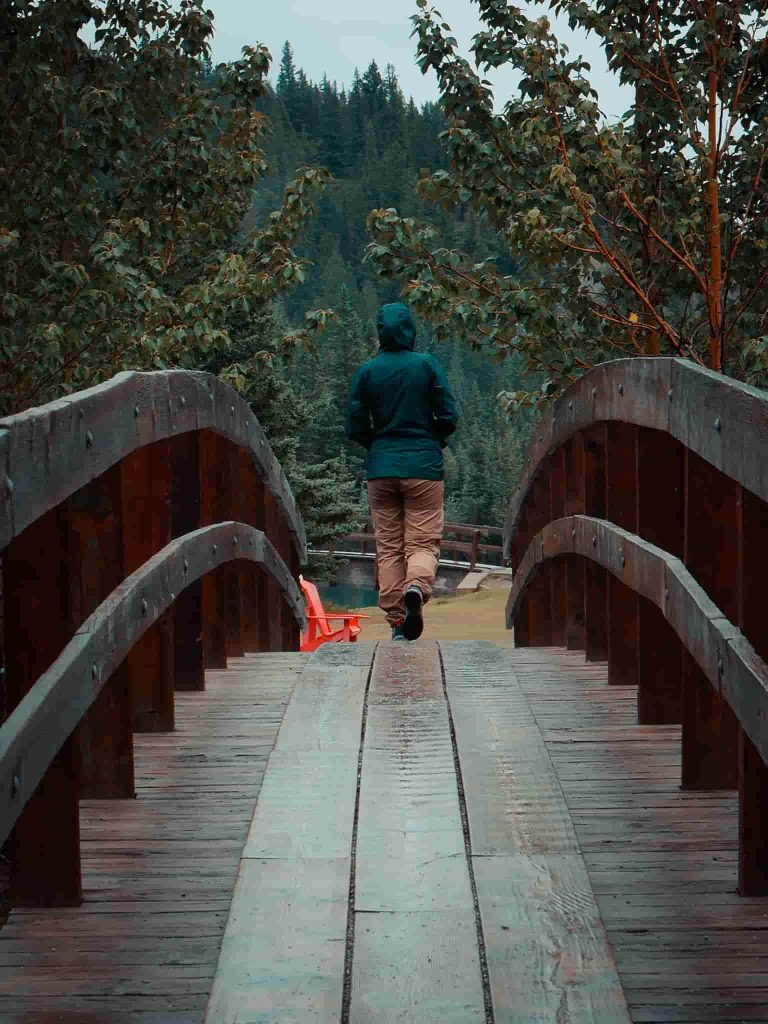
Lake Louise, A Breathtaking Turquoise Glacier Lake
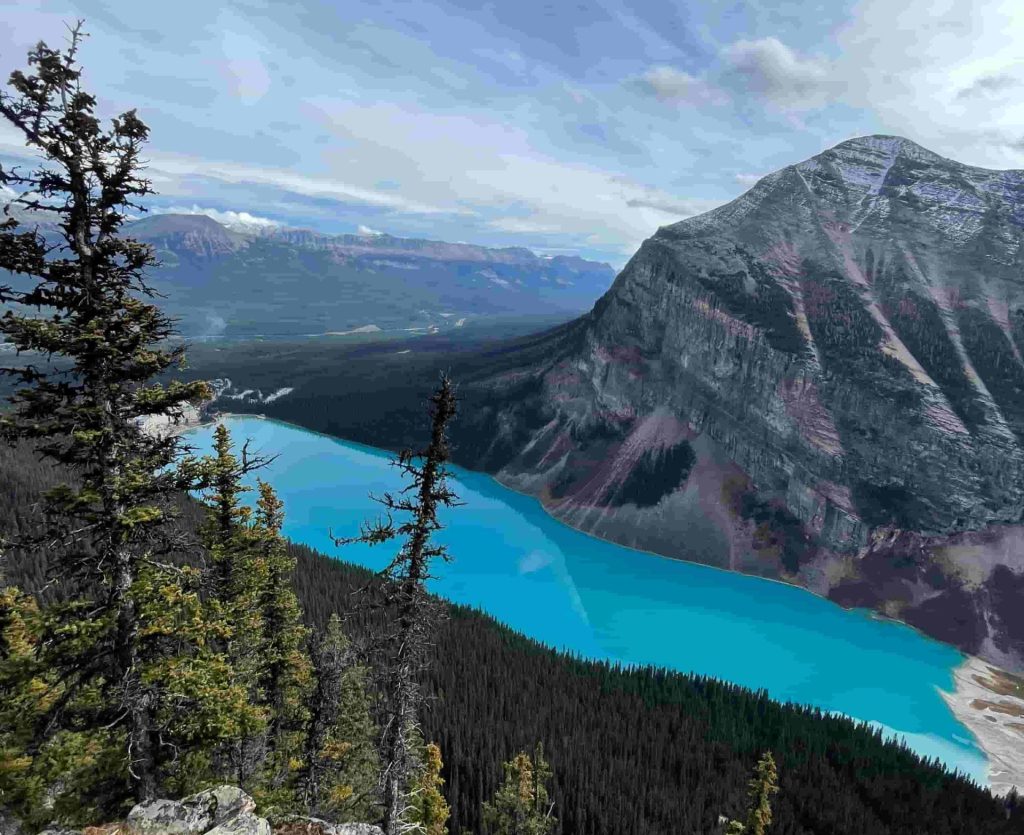
Lake Louise, one of the most iconic and picturesque destinations in Banff National Park and also Canada, captivates visitors with its stunning turquoise waters, towering mountain backdrop, and year-round outdoor adventures. It’s not only a popular destination for outdoor adventures, but also holds historical significance. It was named after Princess Louise Caroline Alberta, the fourth daughter of Queen Victoria, in 1884.
The lake’s unique color comes from fine particles of rock, called “rock flour“, suspended in the water, which reflect sunlight. Also located at Lake Louise is the iconic Fairmont Chateau Lake Louise, which has been welcoming guests since 1911 and remains a luxurious well-known base for exploring the area.
Lake Louise is a fantastic destination for everyone, including families with kids or those who prefer not to hike, as it offers easy strolls around the lake, and stunning views that can be enjoyed without venturing on challenging trails.
Top hikes at Lake Louise
-
Lake Agnes Tea House Trail
- Distance: 7 km (4.3 miles) round trip
- Elevation Gain: 385 meters (1,263 feet)
- Difficulty: Moderate
- This popular trail takes you to Lake Agnes, where you’ll find the historic tea house nestled by the shore. The trail offers fantastic views of Lake Louise and the surrounding peaks. The Tea House is typically open for booking from mid-June to mid-October, during the summer and fall months when the hiking trails are accessible, and the weather is more favorable. During the winter months (typically Mid October to May), the lake house is closed due to snow and difficult access conditions.
-
Plain of Six Glaciers Trail
- Distance: 10.6 km (6.6 miles) round trip
- Elevation Gain: 365 meters (1,200 feet)
- Difficulty: Moderate
- This trail provides stunning views of six glaciers, including the Victoria Glacier. You will also find the Lake Agnes Tea House spoken about above.
-
Big Beehive Trail
- Distance: 10 km (6.2 miles) round trip
- Elevation Gain: 700 meters (2,297 feet)
- Difficulty: Moderate to Difficult
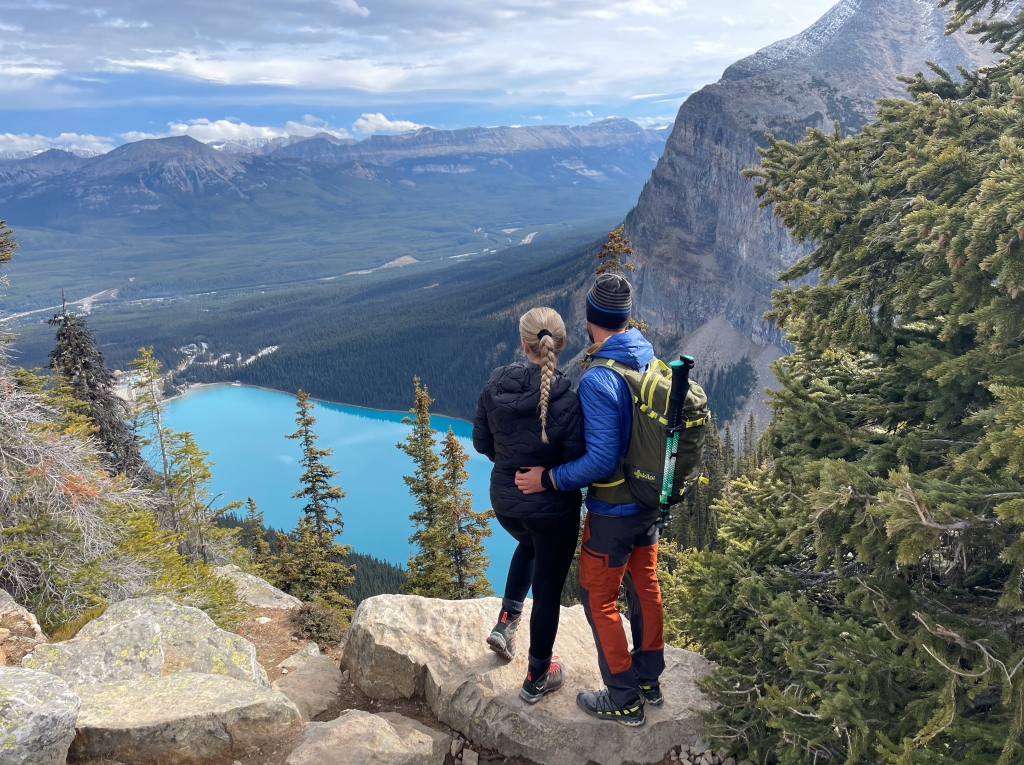
- For breathtaking panoramic views of Lake Louise and the surrounding area, hike up to the Big Beehive. This trail offers an exhilarating climb with amazing vistas at the summit.
-
Little Beehive Trail
- Distance: 5.5 km (3.4 miles) round trip
- Elevation Gain: 370 meters (1,214 feet)
- Difficulty: Moderate
- A shorter alternative to the Big Beehive, this trail offers stunning views of Lake Louise, Moraine Lake, and the surrounding peaks. It’s a great option for those who want a shorter but still rewarding hike.
-
Mount Fairview
- Distance: 5.6 km (3.5 miles) one way
- Elevation Gain: 1,030 meters (3,380 feet)
- Difficulty: Difficult
- A challenging hike with steep sections that rewards hikers with incredible views of Lake Louise, Lake Agnes, and the surrounding glaciers. It’s a strenuous hike, but the summit views are worth the effort.
-
Six Glaciers Tea House Trail (via Lake Agnes)
- Distance: 13 km (8 miles) round trip
- Elevation Gain: 700 meters (2,297 feet)
- Difficulty: Moderate
- This route combines the Plain of Six Glaciers Trail with the Lake Agnes Tea House Trail, providing an extended hike that takes in two tea houses and offers fantastic views of glaciers, lakes, and valleys.
These hikes around Lake Louise offer a range of difficulty levels and some of the most beautiful views in the Canadian Rockies, making them a must for any nature lover visiting the area.
Other activities at Lake Louise
If hiking isn’t your thing at Lake Louise, here are some alternative activities to enjoy:
- Lake Louise Boat Rental – Rent a canoe or a kayak and paddle on the stunning turquoise waters of the lake for a unique perspective of the surrounding mountains. Prices to be around $150 CAD.
- Visit the Lake Louise Gondola – Take a scenic ride up the ski resort gondola for incredible panoramic views of the lake and surrounding glaciers.
- Explore the Fairmont Chateau Lake Louise – Wander around this iconic luxury hotel, enjoy a meal or a coffee with a view, or simply relax by the lake.
- Ice Skating (Winter) – In the winter, the lake freezes over, creating a picturesque spot for ice skating surrounded by snow-capped mountains.The cost of ice skating at Lake Louise varies depending on the rental equipment and the season. Here’s a general breakdown:
- Ice Skating Admission – Ice skating on Lake Louise is free, as long as the lake is properly frozen and safe to skate on.
- Skate Rentals – If you don’t have your own skates, rental prices typically range from $15 to $20 CAD for a pair of skates.
- Helmets – If you want to rent a helmet, prices can range from $5 to $10 CAD.
- Opening Season – The ice skating season usually runs from late December to early March, depending on the weather and ice conditions.
Always check local rental shops or the Fairmont Chateau Lake Louise for the most up-to-date pricing and availability.
- Scenic Drive – Drive along the Bow Valley Parkway, which offers stunning views all around, with plenty of opportunities to stop for photos.
- Spa and Wellness – Treat yourself to a relaxing spa experience at one of the area’s luxury resorts like the Fairmont Chateau Lake Louise.
Parking at Lake Louise
Parking at Lake Louise can be challenging, especially during peak seasons (summer and fall), but here’s what you need to know:
- Lake Louise Parking Lot – There is a large parking lot at Lake Louise, located near the Fairmont Chateau Lake Louise. It can fill up quickly, especially in the morning and mid-day, so it’s best to arrive early to secure a spot.
- Overflow Parking – If the main lot is full, overflow parking is available at the Lake Louise Overflow Parking Lot, about a 10-minute walk from the lake. It’s usually less crowded, but plan for a bit of extra time to walk to the lake.
- Shuttle Service – During peak seasons, the area offers a shuttle service from the overflow parking lot, as well as from nearby locations like the Lake Louise Village or other surrounding areas. This can save time and avoid the hassle of finding a parking spot.
- Public Transit – For visitors staying in nearby towns (Banff or Canmore), taking public transit or the Parks Canada shuttle service is a good option. This will bypass parking challenges and offer convenient access to Lake Louise.
- Early Arrival Tip – To avoid the stress of parking, aim to arrive before 7:00 AM when the lot is less likely to be full. Evening visits, after dinner, can also be less crowded, especially during sunset.
- Winter Parking – In winter, parking is more available, though it can still fill up during weekends and holidays. The winter months also offer a less crowded, peaceful experience at the lake, so parking is usually easier to find.
Amenities at Lake Louise
- Restrooms: Located at the lakeside and around key areas, including the Fairmont Chateau and parking lots.
- Picnic Areas: Scenic spots for picnics by the lake or nearby forested areas.
- Restaurants:
- Fairmont Chateau Lake Louise- offers fine dining, casual restaurants, and lakeside cafes.
- Lake Louise Village has several eateries, including a café and a deli.
- Shops:
- Fairmont Chateau has luxury shops for outdoor gear, souvenirs, and high-end goods.
- Gift shops in Lake Louise Village for local arts, crafts, and mementos.
- Outdoor Activities:
- Horseback Riding available in summer for a unique way to explore the area.
- Guided Tours: Options for guided canoeing, hiking, or wildlife viewing tours.
- Visitors Centre: Information on trails, local wildlife, and maps available for exploring the area.
- Accommodations:
- The Fairmont Chateau Lake Louise for luxury lakeside stays.
- Nearby lodges, inns, and campgrounds for additional accommodation options.
- Wi-Fi: Available in some areas, particularly around the Fairmont hotel and certain restaurants.
Top Tips for Visiting Lake Louise
- Weather Prep- The weather in the Rockies can be unpredictable as we know, so it’s essential to be prepared for all conditions. Bring layers, sunscreen, a hat, and a rain jacket, as temperatures can change quickly. Even in summer, the weather can be cool in the morning and evening, especially by the lake.
- Plan for Altitude- Lake Louise sits at an elevation of 1,750 meters (5,740 feet), which can make physical activity feel more strenuous than at sea level. Take your time, especially if you’re planning on hiking or doing more physically demanding activities, and stay hydrated.
- Respect Nature- Lake Louise is a protected area, so make sure to follow all park rules to help preserve its natural beauty. Stick to marked trails, pack out all your trash, and respect wildlife by keeping a safe distance. Remember, Leave No Trace principles are key to keeping this stunning place pristine for future generations.
- Booking Accommodations- If you plan to stay overnight, book accommodations well in advance, especially if you want to stay at the Fairmont Chateau Lake Louise. The hotel is a popular spot, and rooms can book up quickly, particularly during peak tourist seasons. Alternatively, there are other lodging options in the surrounding areas, including the nearby village of Lake Louise.
Moraine Lake, The Pearl of the Rockies
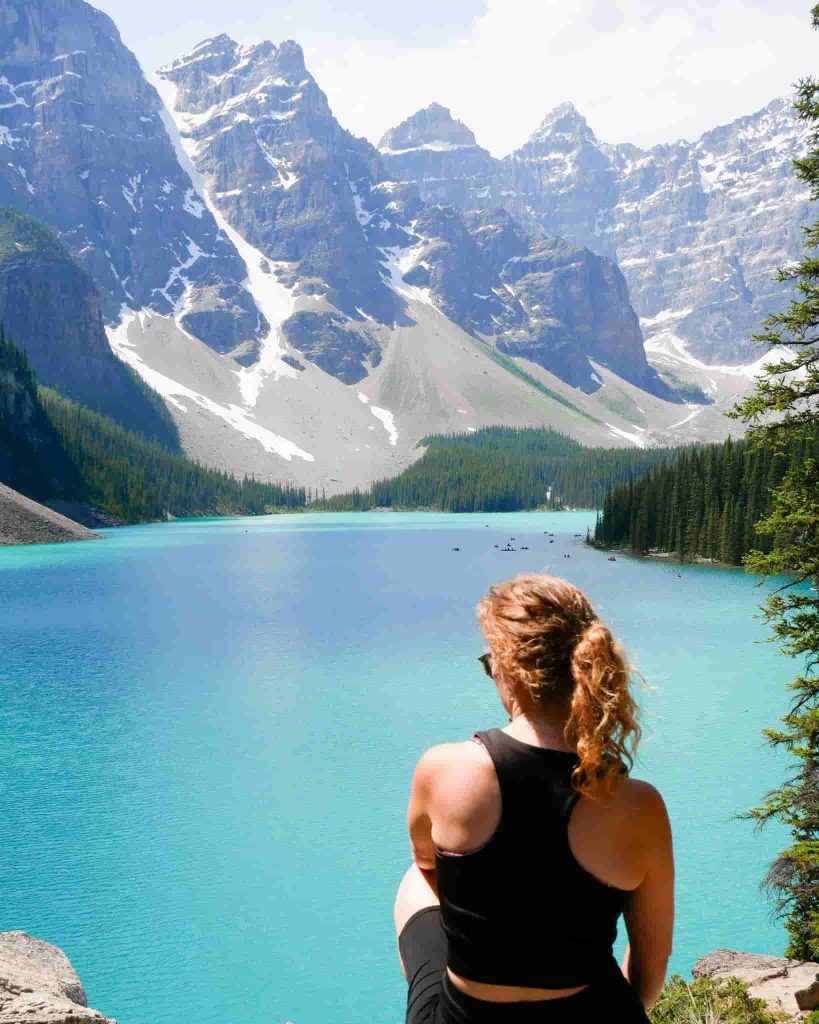
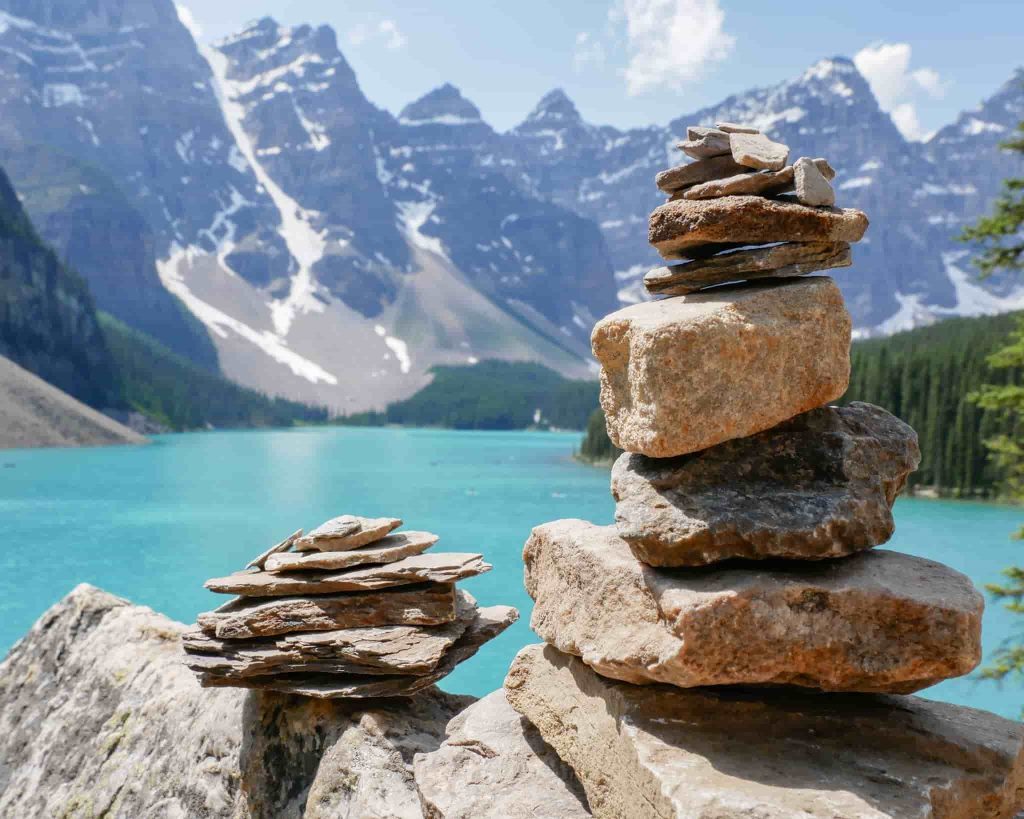
Moraine Lake, a jewel of Banff National Park, captivates visitors with its stunning, vibrant turquoise waters framed by the majestic Ten Peaks. Known for its postcard-perfect scenery, the lake’s unique color comes from glacial silt suspended in the water, reflecting sunlight in a breathtaking display.
As one of Canada’s most photographed spots, Moraine Lake offers more than just a pretty picture — it’s an outdoor paradise for hiking, canoeing, and wildlife watching. Fun fact: Moraine Lake’s iconic view even featured on the Canadian $20 note, making it an unforgettable symbol of Canada’s natural beauty.
Moraine Lake’s water stays frozen for a good few months every year as temperatures up here are COLD! In summer the waters aren’t frozen and if you feel adventurous… why not go in for a dip? We did it and it was such a magical and unbelievable (painful) experience! But hey, how many people can say they’ve swam in Moraine Lake?
Hikes at Moraine Lake
- Rockpile Trail: A short, steep trail that offers one of the most iconic viewpoints of Moraine Lake. The 0.8 km (0.5 miles) hike is easy and quick, perfect for spectacular photos.
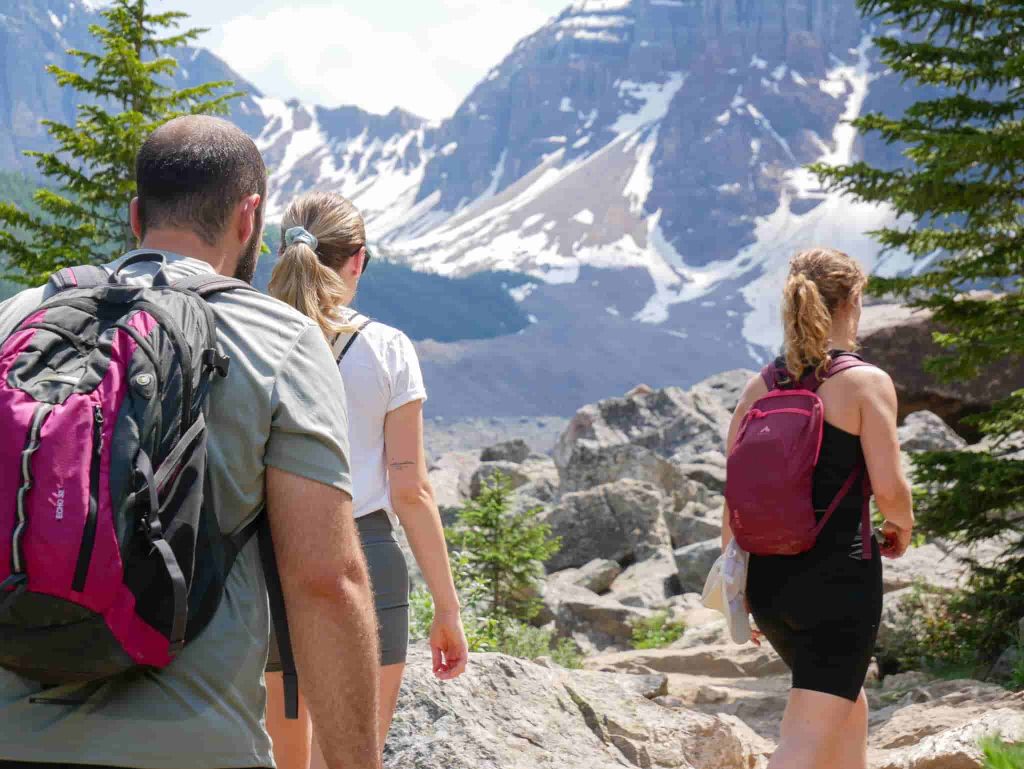
- Lakeshore Trail: A scenic, easy 3.2 km (2 miles) round-trip hike along the shoreline of Moraine Lake, offering beautiful views of the lake and surrounding mountains.
- Consolation Lakes Trail: A moderate 3.6 km (2.2 miles) hike that takes you through a forest and past a series of small lakes, offering amazing views of the surrounding peaks.
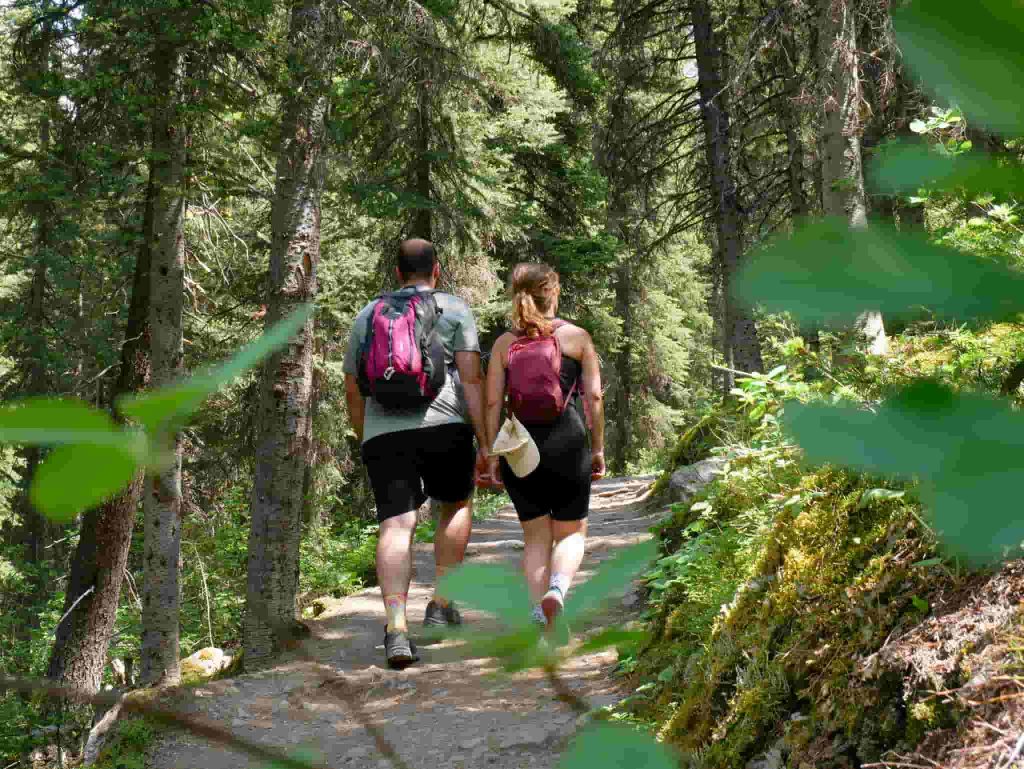
- Sentinel Pass Trail: A more challenging 11.6 km (7.2 miles) hike that leads to one of the highest points in the area, offering panoramic views of Moraine Lake and the surrounding valleys.
- Parker Ridge Trail: While not directly at Moraine Lake, this 5.4 km (3.4 miles) hike is nearby and offers stunning views of the Bow Glacier and other surrounding landscapes.
- Wenkchemna Pass Trail: A strenuous 16.2 km (10 miles) hike that offers incredible views of Moraine Lake, the Valley of the Ten Peaks, and the surrounding glaciers.
These hikes offer a variety of difficulty levels and opportunities to explore the stunning natural beauty of the Moraine Lake area!
Other activities to enjoy at Moraine Lake
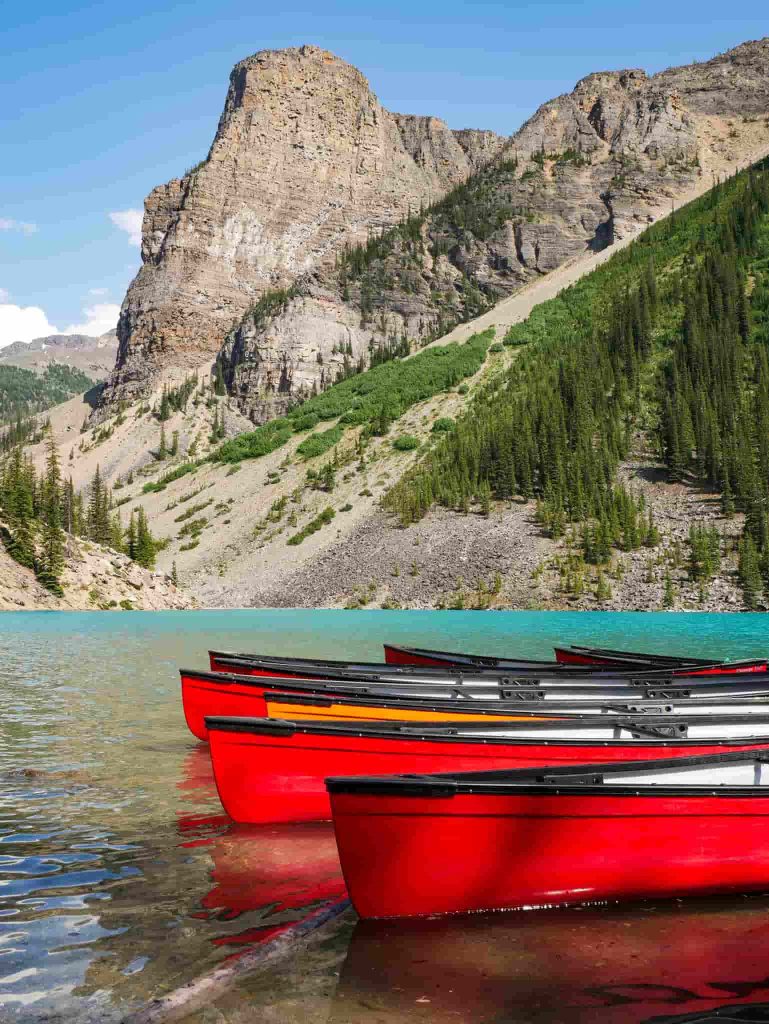
- Canoeing: In the summer months, you can rent a canoe and paddle on the crystal-clear waters of Moraine Lake, taking in the stunning views of the surrounding peaks and glaciers. Canoe rentals at Moraine Lake typically cost around $130 CAD per hour for a single canoe, and $150 CAD per hour for a tandem canoe. Prices may vary slightly depending on the time of year, and it’s always a good idea to check in advance for availability, especially during peak seasons. Canoe rentals are available from mid-June to mid-September, depending on weather conditions.
- Photography: Moraine Lake is known for its picture-perfect views, especially at sunrise and sunset when the light casts a magical glow over the landscape. It’s a photographer’s dream.
- Wildlife Viewing: The area around Moraine Lake is rich in wildlife. Keep an eye out for animals, you never know what you may spot!
- Picnicking: The shoreline of Moraine Lake provides several scenic spots to enjoy a picnic while surrounded by nature. It’s a relaxing way to take in the views.
- Bird Watching: With its diverse habitats, Moraine Lake is a great spot for bird watchers. Look out for species such as waterfowl, ospreys, and other alpine birds.
These activities provide plenty of ways to experience the beauty and tranquility of Moraine Lake beyond just hiking.
Moraine Lake Accessibility
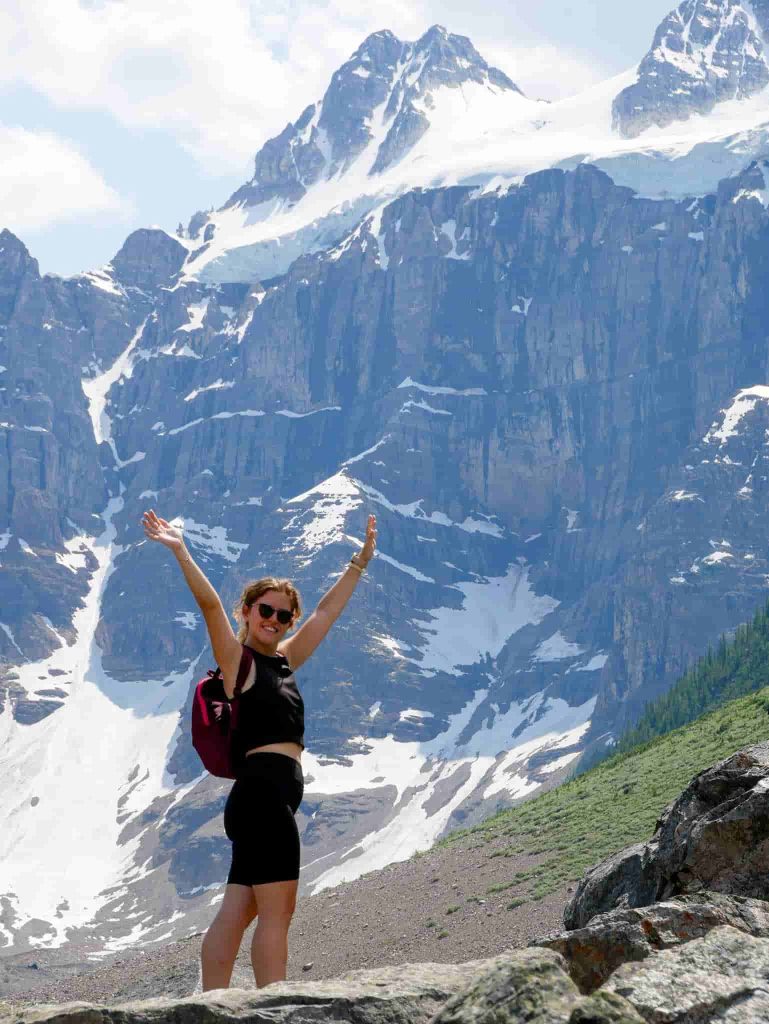
Important information for Moraine Lake
- Restrooms: There are bathrooms located near the Moraine Lake Lodge and at the parking area.
- Food: There are limited food options available at Moraine Lake, mainly at the Moraine Lake Lodge’s cafe. It’s a good idea to bring snacks or a packed lunch if you’re planning to spend the day.
- Picnic Area: There are several picnic tables around the lake, perfect for enjoying a meal with incredible views.
- Phone Signal: There is limited to no phone signal at Moraine Lake, so be prepared for no connectivity.
- Accessibility: While the access road is well-paved, the area surrounding the lake and the trails can be rugged and may not be fully accessible for those with limited mobility. If you have specific accessibility needs, it’s best to check for updates on accessibility options for trails and amenities before visiting.
- Seasonal Operation: Moraine Lake is only accessible from June to mid-October due to weather conditions. During the winter, the road is closed, and amenities are unavailable.
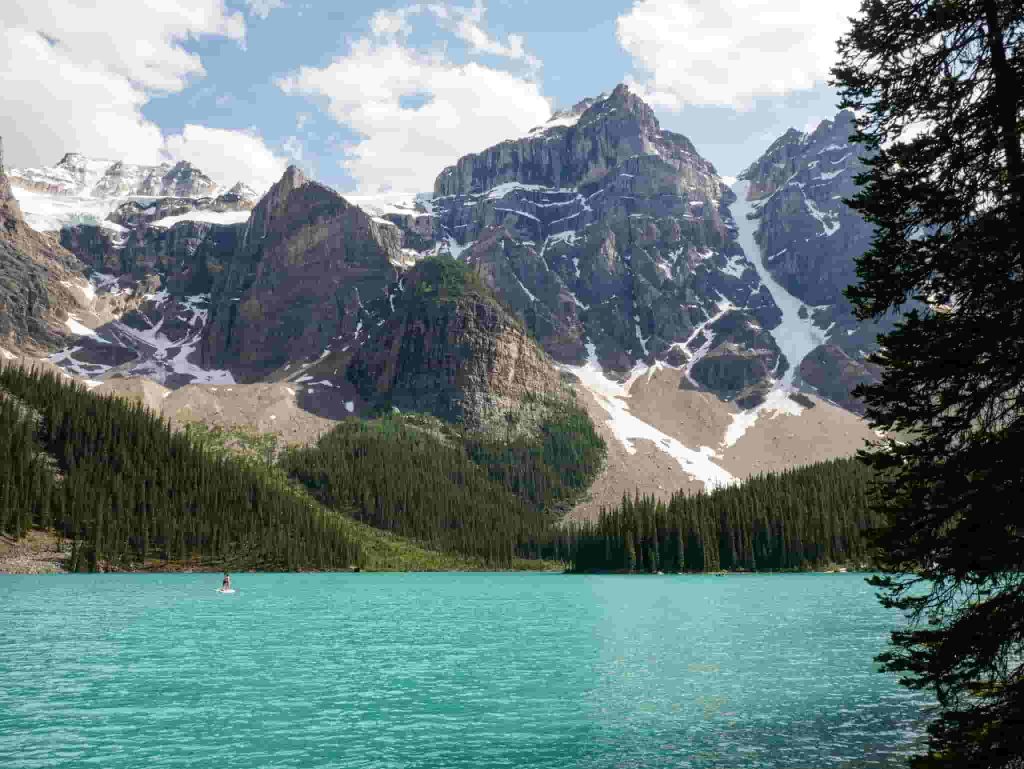
Bow Lake, A Sometimes-Missed Gem of Banff National Park
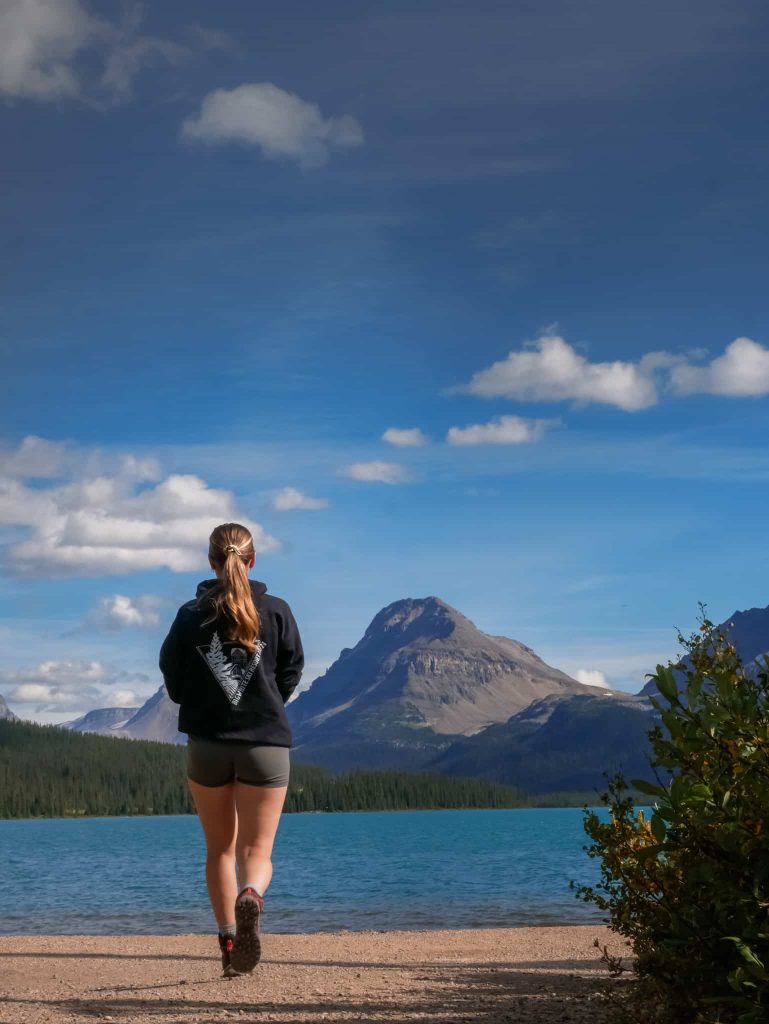
Being one of the lesser-crowded gems in Banff, Bow Lake allows you to enjoy the views with more tranquility than other spots in the national park. While you’re at Bow Lake, you’ll be offered unforgettable views of the Crowfoot Glacier. Once, the glacier had three distinct ‘toes’ (hence the name ‘Crowfoot’). Over time, due to climate change and natural glacial retreat, one of the toes melted away, leaving just two visible ‘toes.
Hiking around Bow Lake
The area has several trails, but the most popular is the “Bow Glacier Falls Trail.” It’s a relatively easy 4.5 km (2.8 miles) round trip that takes you to a beautiful waterfall. The trail is well-marked and takes about 1.5 to 2 hours to complete. Along the way, you’ll pass through forests and enjoy panoramic views of the lake and glacier. The scenery is breathtaking, making it a must-do for anyone visiting the area!
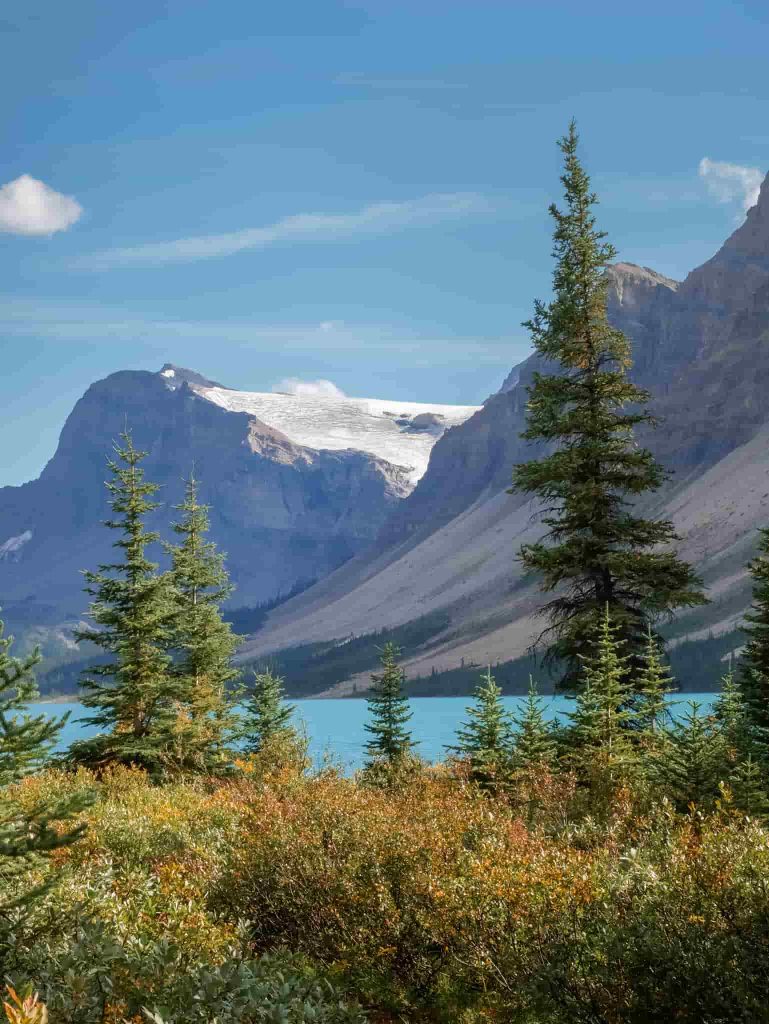
Alternative hiking options
If you’re looking for a longer hike, the ‘Helen Lake’ trail is a stunning 11 km (6.8 miles) round-trip trek that takes you to an alpine lake with views of glaciers and surrounding mountains. The trail starts at the Helen Lake parking lot, opposite Bow Lake and climbs steadily for most of the hike (the first hour of incline is the hardest), gaining about 700 meters (2,300 feet) in elevation. The path is well-marked, though it can be rocky and sometimes steep in places. The hike typically takes 4 to 5 hours to complete, depending on your pace. The reward at the top is a fantastic view of Helen Lake, surrounded by towering peaks. It’s a moderately challenging hike, but the views are worth the effort!
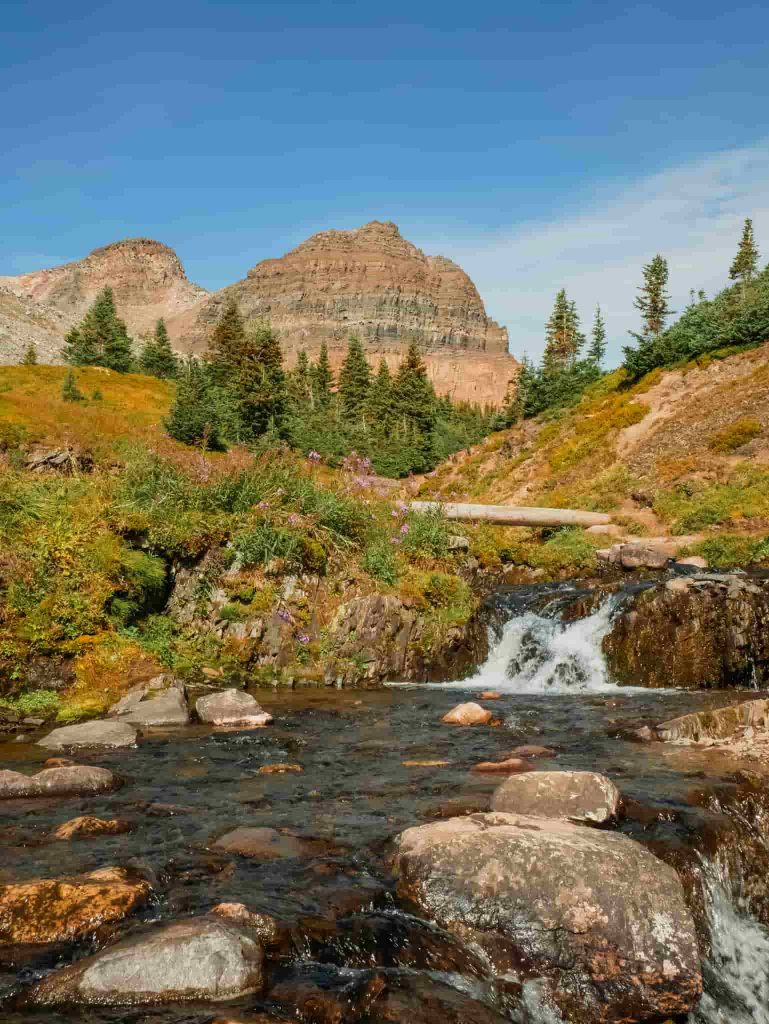
Once you reach Helen Lake and want a little extra push, you can continue hiking to The Dolomite Pass or Cirque Peak. Both hikes are challenging but rewarding. The Dolomite Pass hike is approximately 13 kilometers (8 miles) round trip, with an elevation gain of around 1,100 meters (3,600 feet). It typically takes 6 to 8 hours to complete. Most hikers can expect to take around 2-3 hours to reach Dolomite Pass from Helen Lake, depending on their pace and the trail conditions.
For that extra little push, why not try Cirque Peak, known for its stunning panoramic views at an elevation of 2,993 meters (9,820 feet)? The hike is approximately 10-12 km (6-7.5 miles) round-trip, depending on the route, and typically takes 7 to 9 hours. This hike is also considered a scramble, so make sure you are well-rested, have the proper equipment, and maintain a positive attitude—it’s always worth it in the end!
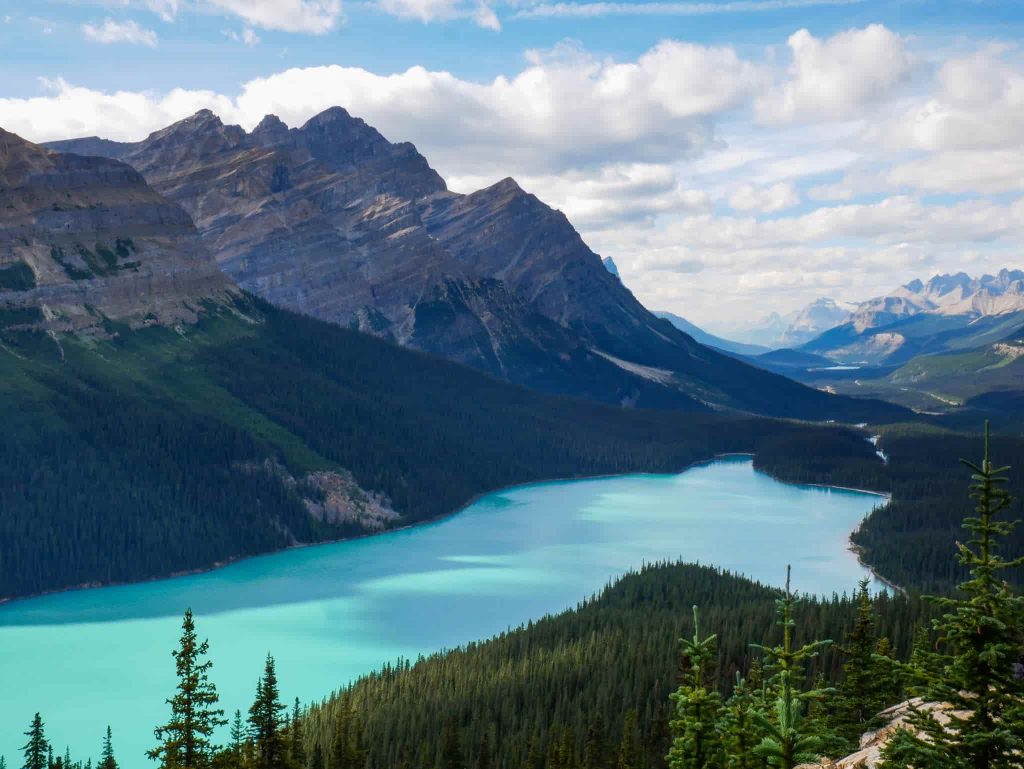
Peyto Lake, A Wolf-Head-Shaped Lake
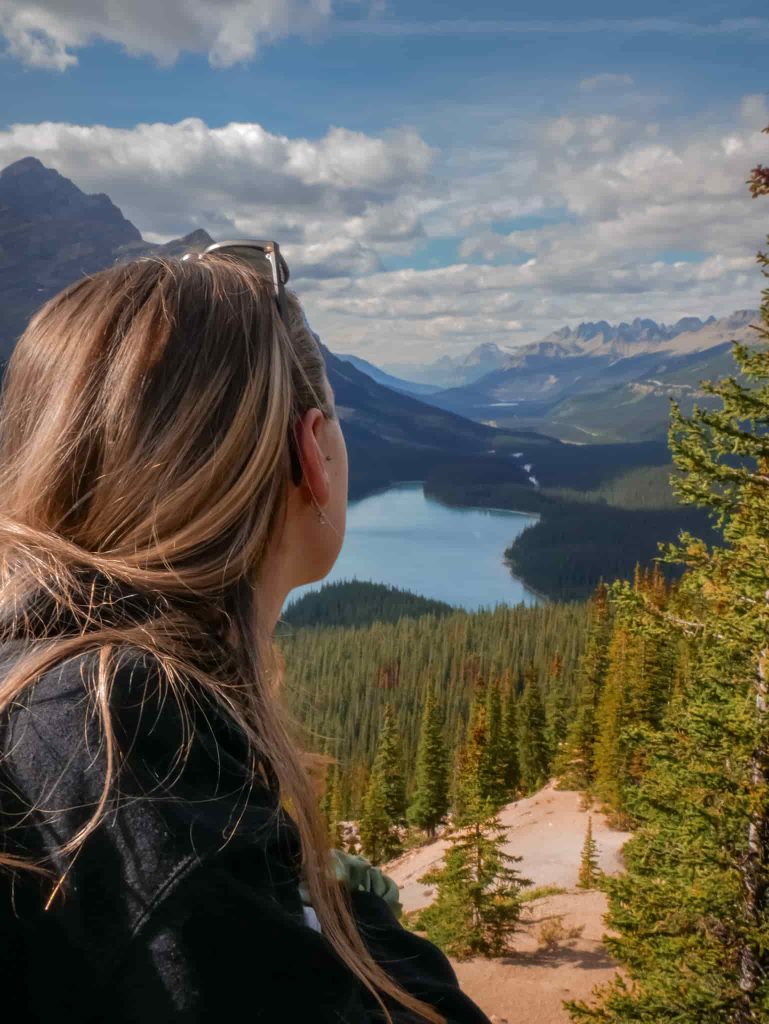
Peyto Lake is one of those places in Banff that will literally take your breath away. Located along the Icefields Parkway, this iconic lake is famous for its bright, turquoise color and unique shape. It’s one of the most photographed spots in Canada for a good reason.
The viewpoint is super easy to get to—just a short 10-minute walk from the parking lot—and the view when you reach the top is straight-up jaw-dropping. The lake is surrounded by mountains, forests, and glaciers, making it feel like you’re standing in a postcard. The best part? You don’t have to hike for hours to see it.
If you’re visiting in summer, the color of the water is even more intense thanks to the glacial meltwater, and in fall, the surrounding trees turn vibrant shades of red and yellow. No matter when you go, Peyto Lake is a spot you won’t want to miss. Due to its easy access, expect to find a good bunch of tourists around you, think it this way… you’ll have no troubles finding someone to take a picture of you!
Mistaya Canyon, An Unexpected Surprise along The Icefields Parkway
Mistaya Canyon is a must-see when visiting Banff National Park—it’s a quick stop with a huge payoff. This hidden gem is just a short walk from the parking lot and offers some of the most beautiful canyon views you’ll find in the Rockies.
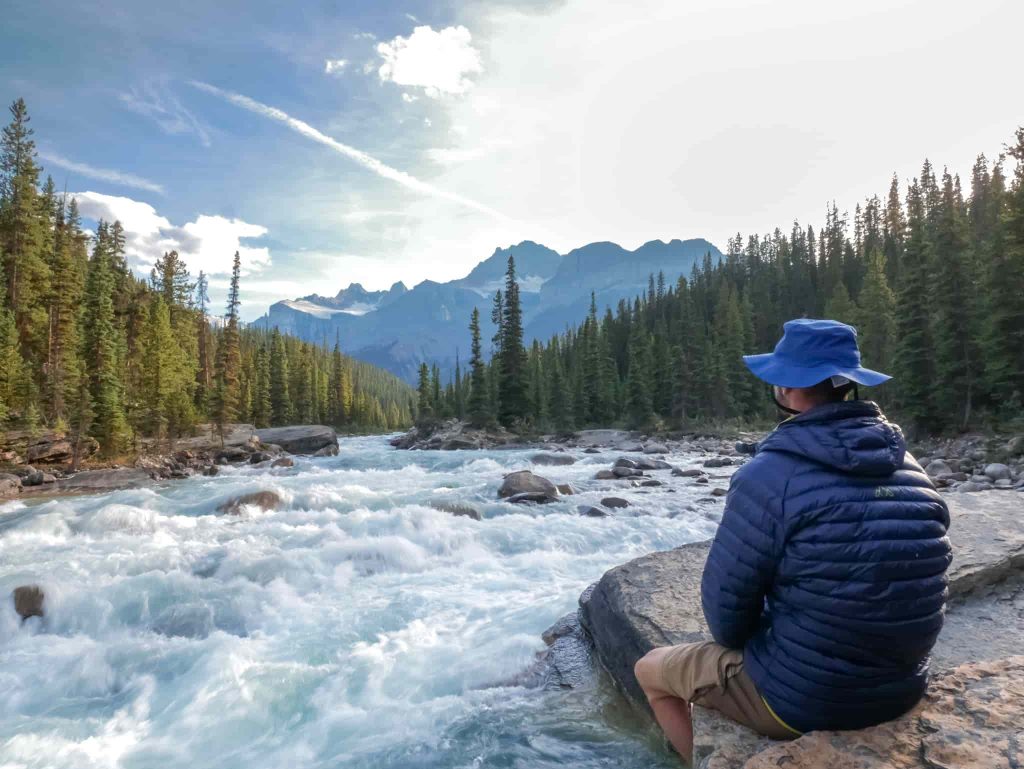
The Mistaya River has carved out this narrow, dramatic canyon, creating swirling turquoise pools and waterfalls that flow through jagged rock walls. The color of the water is unreal—it’s the perfect mix of blue and green, thanks to the glacial meltwater. It’s one of those spots that makes you pause, take a deep breath, and just stare in awe.
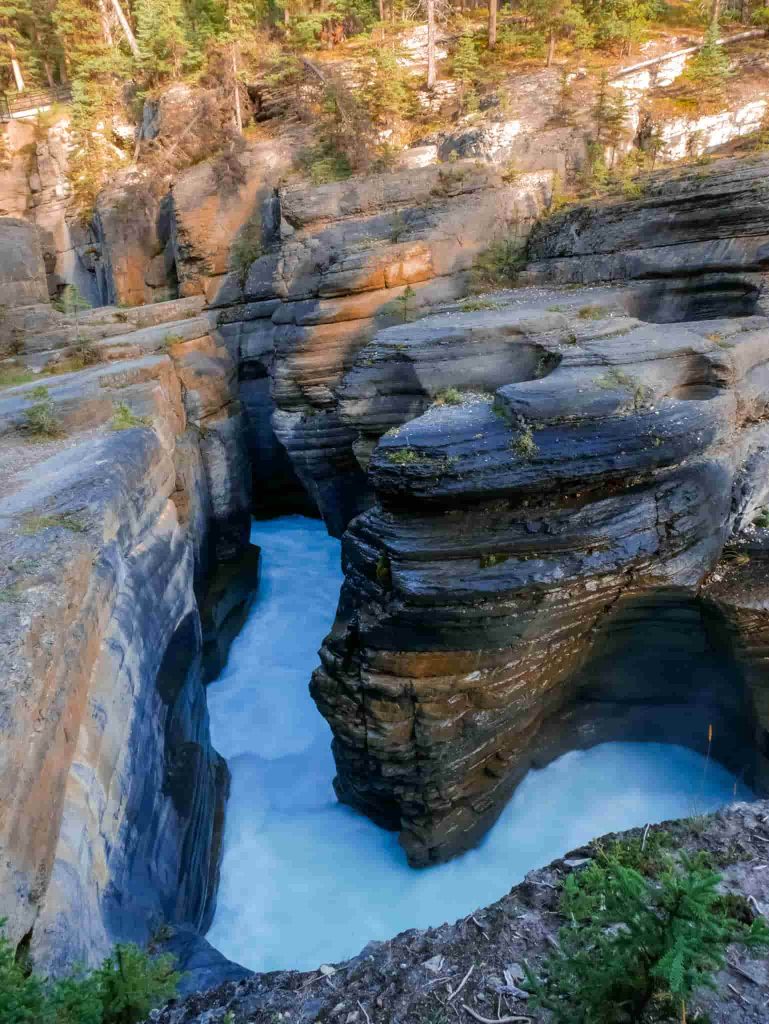
The walk is super easy—only about 0.5 miles (1 km) each way, so it’s super quick. You’ll find a few different viewing spots along the way, perfect for snapping some photos. When you get to the main viewpoint, you can take in the full beauty of the canyon and its powerful waterfalls. The rushing water and steep cliffs make it feel like a place straight out of a nature documentary.
Besides, it’s located “kind of far” from Banff town which means that it’s a less busy spot than most of the others we’ve seen so far.
If you can, visit in late spring or early summer when the river is at its peak, thanks to the snowmelt. The water flow is stronger, and the canyon is even more impressive.
Top Tips to Get Around
-
Rent a Car
- Why it’s recommended: To truly explore the Rockies, renting a car is the best option. Public transport is limited, and many of the best spots are remote and require a car to reach. Renting a car will also give you the flexibility to stop at hidden gems along the way. Even better if you rent an RV! There’s lots of campsites where you can spend the night or use as a base to explore the park. It’s waaaay cheaper than normal accommodation and a way more memorable experience.
- Tip: Get an early start, especially in the high season (summer), to avoid traffic and find parking easily at popular spots like Lake Louise and Moraine Lake. Sunrise and sunset light up the mountains in spectacular ways, making it a great time for photography too.
- Use Turo: It’s an app that allows you to rent someone else’s car. It basically has the same functioning system than Airbnb. Its cheaper and more accessible, why not give it a go?
-
Book Accommodations Early
- Why it’s important: Banff National Park is a popular destination, and hotels, can fill up quickly. Booking your accommodations in advance ensures you get the best options, particularly in peak seasons.Check hotels and availability with Booking.com
- Tip: Try staying at backcountry lodges or campgrounds for a more immersive (and cheaper) experience in nature. Imagine yourself enjoying a campire in the middle of the forest in Banff National Park, doesn’t get better than that!
- Why it’s important: Banff National Park is a popular destination, and hotels, can fill up quickly. Booking your accommodations in advance ensures you get the best options, particularly in peak seasons.
-
Stay Off the Main Roads and Trails for Quiet Exploration
- Skip the main highways and use the Bow Valley Parkway (Banff) or Icefields Parkway for less crowded, scenic routes. You’ll discover hidden lakes, waterfalls, and hiking trails along these roads that most visitors miss. Many of the lesser-known spots are just a short walk or detour from the main road.
-
Hiking off-the-beaten-path
- For a more tranquil hiking experience, skip the busy Larch Valley (Banff) or Wilcox Pass (Icefields Parkway), and try hikes like the Helen Lake Trail insted. These offer similar breathtaking views but with far fewer people on the trails.
- Use apps like AllTrails or Google Maps to find less-known hiking spots and scenic routes.
-
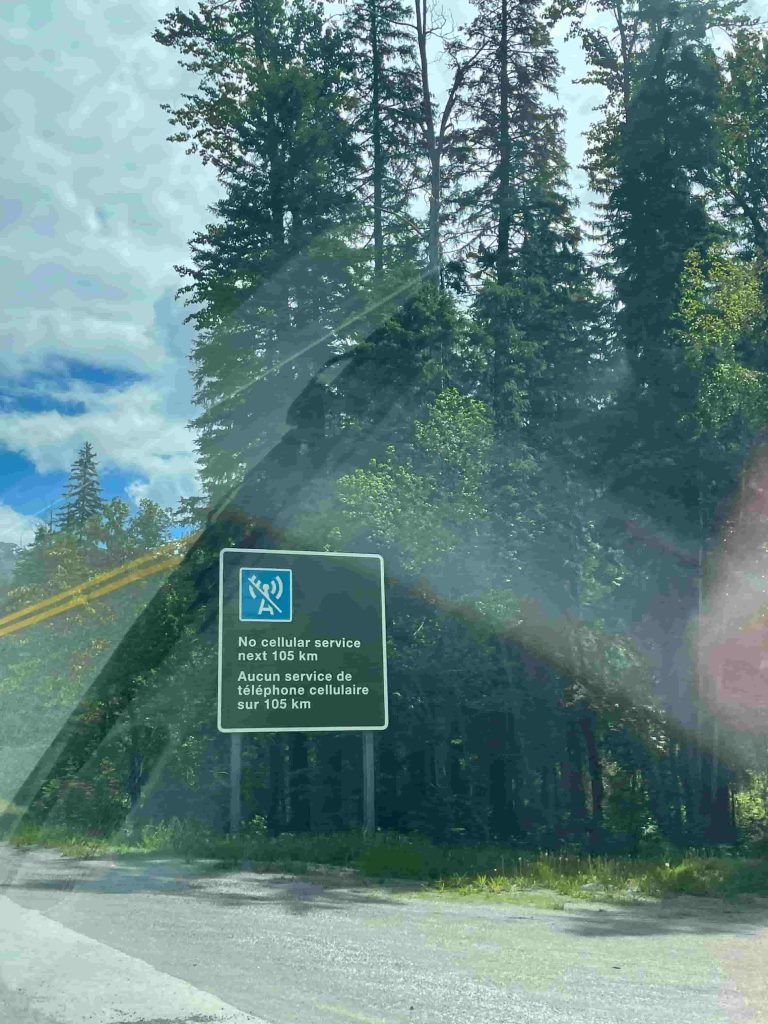
Be prepared for little to NO phone signal
-
- The phone signal in Banff National Park is often spotty, with areas of weak or no reception, it makes it an ideal place to disconnect from the digital world. However, this is an important factor to keep in mind when visiting, especially if you’re working whilst away and relying on your data! It’s also a great idea to download some kind of offline maps so you can always have something to rely on when you’re out and about.
-
Look for Wildlife Off the Main Roads
- If you want to spot wildlife, head off the main highways. The Bow Valley Parkway is famous for wildlife sightings, especially at dawn and dusk. You may encounter elk, deer, or even bears along this quieter route.
Bow Lake
- If you want to spot wildlife, head off the main highways. The Bow Valley Parkway is famous for wildlife sightings, especially at dawn and dusk. You may encounter elk, deer, or even bears along this quieter route.
Final Thoughts
The Canadian Rockies, and Banff National Park, so far one of our favourites destinations, offer some of the most iconic landscapes in the world, but with a little planning and the willingness to step off the beaten path, you can uncover some hidden treasures. Whether you’re chasing after turquoise lakes, snow-capped peaks, or elusive wildlife, the Rockies are waiting for you to explore, and with these tips and recommendations, you’ll be able to experience them like a true adventurer.
We’ve also collected some fun facts that will make you even more excited to visit Banff National Park:
Fun Facts about Banff National Park
- Canada’s First National Park
Banff is the oldest national park in Canada, established in 1885. It’s a UNESCO World Heritage site, so it’s not just beautiful—it’s also internationally recognized for its natural beauty!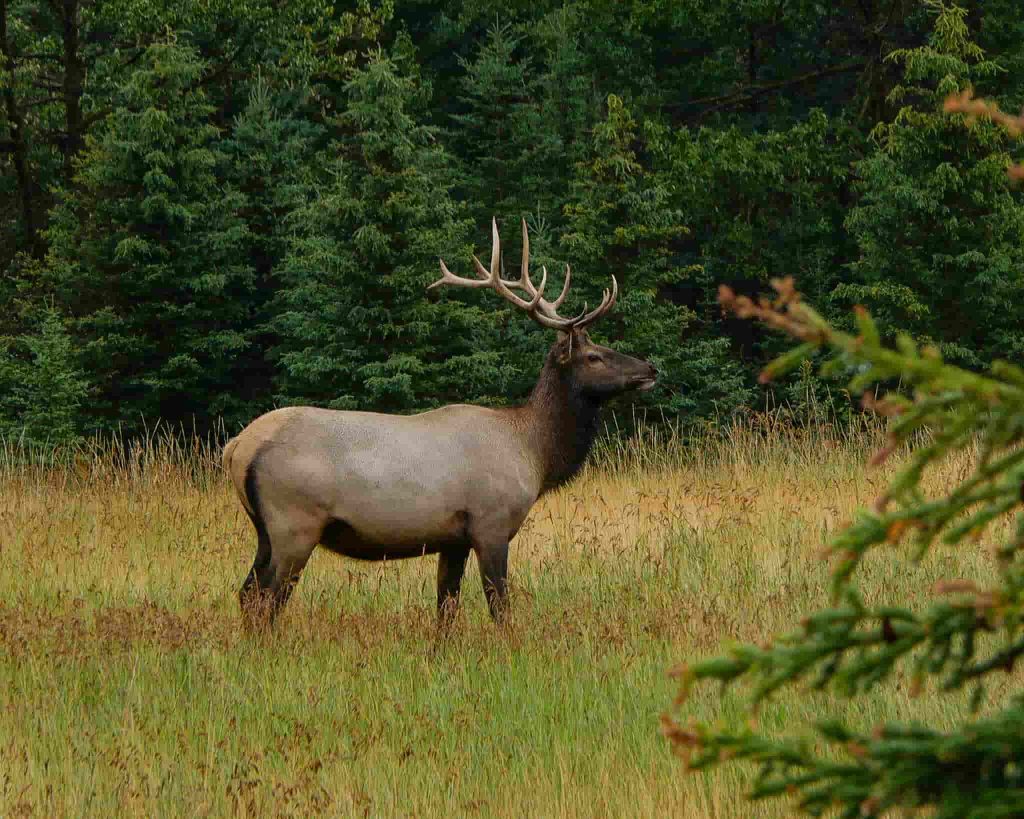
- The Fairmont Banff Springs Hotel is “The Castle in the Rockies”
Built in 1888, the Fairmont Banff Springs hotel looks like a grand castle in the middle of the mountains. It’s a beautiful spot to stay and has an interesting history as a place for wealthy tourists in the early days of the park.
- A Paradise for Adventure Lovers
Whether you’re into skiing, hiking, canoeing, or just exploring, Banff offers year-round adventure. With over 1,000 kilometers of trails, you’ll find something perfect for any level of hiker. Plus, in the winter, it’s one of Canada’s top ski destinations.
- Indigenous Roots
Long before Banff became a national park, the Stoney Nakoda people (also called the Assiniboine) lived in the area. They called the land “Minnewanka,” which means “water of the spirits.” The area is deeply connected to the indigenous peoples who have lived here for thousands of years.
- The Canadian Pacific Railway’s Role
The development of Banff as a tourist destination is linked to the Canadian Pacific Railway. When the railway was built through the area in the 1880s, it opened up the region to visitors from across Canada and the world. The railway company built the Fairmont Banff Springs Hotel to attract wealthy tourists and create a “high society” atmosphere.
Bonus Fun Fact:
Here’s a fun and lesser-known fact about Banff National Park: The Banff Springs Hotel, one of the most iconic landmarks in the park, is rumored to be haunted! The hotel, built in 1888 and designed to resemble a Scottish castle, is said to be home to several ghosts. One of the most famous spirits is the “Bride,” a woman who reportedly fell to her death from the hotel’s balcony on her wedding day. Guests and staff have shared eerie accounts of strange noises, sightings, and a cold presence in certain areas of the hotel.
Whether you believe in ghosts or not, it’s an intriguing piece of Banff’s history, adding a touch of mystery to the park’s natural beauty!
Wrap Up: Banff Awaits You
So, whether you’re into history, nature, adventure, or just need an escape from the hustle and bustle of everyday life, Banff National Park is the place to be. It’s a destination where you can hike to a hidden waterfall, snap a pic with a mountain backdrop, and learn a bit about the incredible history of Canada—all while being surrounded by one of the most stunning landscapes on the planet.
Don’t just take our word for it—go see Banff for yourself! You won’t regret it. ✨

